
Phyllostachys flexuosa
Phyllostachys flexuosa
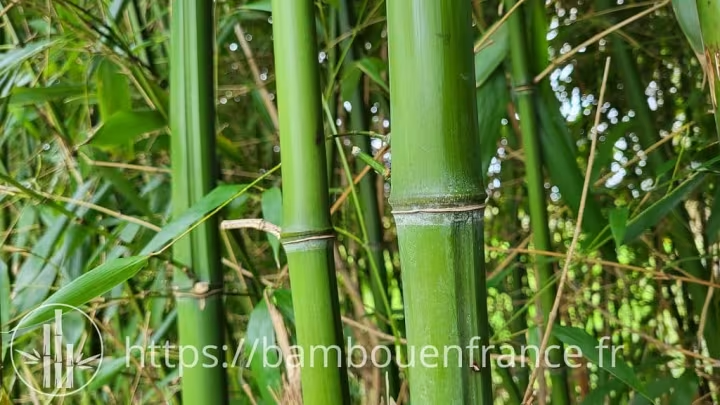
Description
Growing requirements
Phyllostachys flexuosa belongs to the Poaceae family and is a robust species of bamboo native to Eastern China. It is highly valued for its elegant, zigzagging culms that add a unique architectural element to gardens and landscapes.
This bamboo requires fertile, well-draining soil with a pH ranging from slightly acidic to neutral. It thrives in locations that offer protection from harsh winds, which can damage the foliage, especially during cold winter months.
The plant is relatively hardy and can tolerate temperatures down to -15°C to -18°C. However, in cooler regions, it is recommended to provide a thick layer of mulch around the base to insulate the rhizomes from deep frost.
Botanically, this species is defined by its rapid growth habit. The underground rhizome system allows the plant to form dense groves, which can be controlled by physical barriers if planting in a restricted garden space.
Regular irrigation is essential for the health of Phyllostachys flexuosa, particularly during the peak growing season. It performs best in full sun to partial shade, where it can develop its signature color and vigorous culm density.
Main diseases and pests
The most common pests affecting this bamboo are spider mites and mealybugs, which tend to infest the leaves during hot and dry spells. Frequent misting and the use of appropriate insecticides can help manage these populations.
Root rot is a potential concern, typically resulting from poor soil drainage or excessive irrigation. Ensuring a proper drainage system is critical for preventing fungal pathogens from attacking the rhizome structure.
Leaf spot diseases may occur in environments with high humidity and poor airflow. Managing plant density and removing infected leaves are effective ways to mitigate the spread of these pathogens.
Nutrient deficiency can weaken the plant, making it more susceptible to various biological threats. Applying balanced fertilizers during the early spring encourages vigorous, healthy growth that is more resistant to stress.
In some climates, small rodents may gnaw on the base of the culms during winter. Protective wraps or physical guards around the stems can prevent mechanical damage from these animals and protect the plant's health.