
Tortoise shell bamboo
Phyllostachys heterocycla
Description
Sowing dates
The propagation of Phyllostachys heterocycla is typically achieved through rhizome division. The ideal time for planting is early spring, right as the plant breaks dormancy but before rapid growth begins.
Seed-based propagation requires controlled greenhouse conditions with temperatures between +20°C and +25°C. Bamboo seeds lose viability quickly, so using fresh material is critical for success.
Site preparation involves deep soil tillage and the incorporation of organic fertilizers. Rhizomes should be planted in trenches about 30 centimeters deep, allowing ample space for future colony expansion.
Immediate post-planting care includes thorough watering and mulching the root zone with organic matter. This retains essential moisture and protects developing roots from temperature fluctuations.
Establishing a strong foundation during planting ensures rapid rhizome spread, which is essential for developing a productive bamboo grove for either timber or ornamental purposes.
Growing requirements
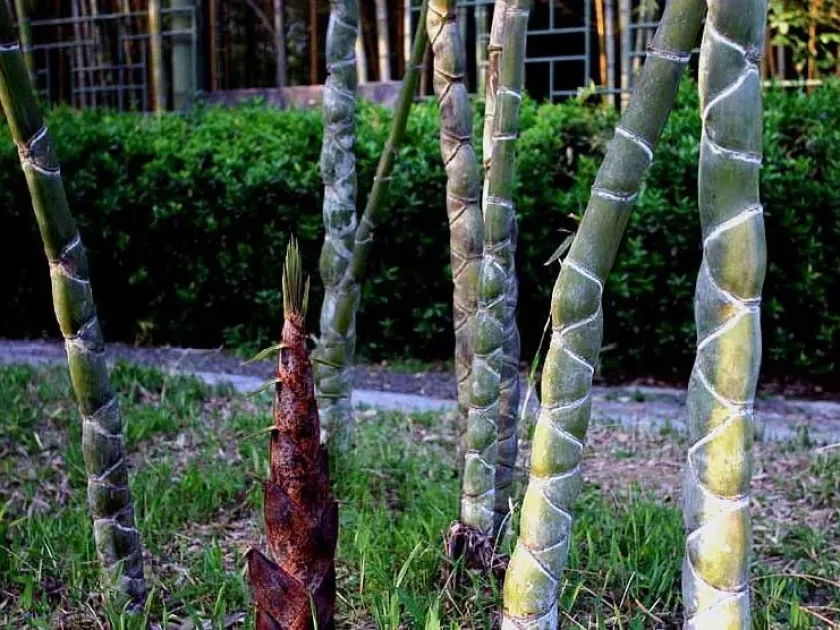
This species belongs to the Poaceae family. It is a giant timber bamboo famous for its unique, swollen nodes that look like a tortoise shell, making it a highly valued botanical specimen.
Tortoise shell bamboo thrives in moist, well-drained, fertile soils with a neutral or slightly acidic pH. Waterlogging must be avoided, as it leads to root decay and rapid plant decline.
While preferring warm climates, this bamboo can tolerate light frosts down to -15...-18°C if the root system is well-protected. In colder regions, overwintering protection is necessary.
Full sun or partial shade is required for optimal health. Adequate light exposure is essential for developing the characteristic node morphology and maintaining vibrant foliage color.
Agronomic management includes regular nitrogen-rich fertilization during the growth season. During dry spells, drip irrigation is recommended to ensure strong, durable stem development.
Yield
The primary use of Phyllostachys heterocycla is for high-quality timber. Mature plantations provide a steady supply of sturdy, aesthetically unique poles for various industrial applications.
The distinct surface texture of the culms makes this species highly desirable in craftsmanship, including high-end furniture, home décor, walking sticks, and instruments.
Some bamboo species in this family produce edible shoots; however, with the Tortoise shell variety, the main economic focus is placed on the commercial value of the woody culms.
Maximum yields are generally realized 7–10 years after planting, once the rhizome network has fully occupied the area and developed a dense stand of bamboo.
Economic success is highly dependent on consistent maintenance. With proper management, the stem density can be optimized to ensure high annual harvest volumes.
Main diseases and pests
Common pests include spider mites and mealybugs, which target the leaves and shoots. In high-humidity conditions, fungal pathogens can significantly impact the health of the stand.
Pest control is managed through the timely application of insecticides. Preventive pruning of dense thickets is necessary to improve air circulation and reduce pest colonization sites.
Fungal infections, such as leaf rust or spots, are controlled with copper-based fungicides. Regular site inspections help identify early stages of infection before they become widespread.
Root rots are the most dangerous threats. Prevention centers on maintaining proper soil drainage and monitoring groundwater levels to avoid anaerobic conditions near the roots.
Integrated pest management (IPM) practices require monitoring the health of the stand and isolating infected sections immediately to prevent the spread of diseases throughout the grove.
Harvesting
Harvesting occurs during the autumn and winter months when sap flow is at its lowest, which ensures the highest possible durability and density of the bamboo timber.
Selected culms are usually harvested when they are between 3 and 5 years old. Younger poles lack sufficient strength, while older ones may become brittle and lose their visual appeal.
Using sharp tools, the culms are cut as close to the ground as possible without damaging neighboring rhizomes to ensure the continued vitality of the grove.
- Trimming side branches and twigs.
- Grading by diameter and length.
- Air-drying in shaded, well-ventilated structures.
- Applying preservative treatments against borers and moisture.
Proper harvesting practices stimulate further rhizome growth, ensuring the long-term productivity and sustainability of the bamboo plantation for future harvest cycles.