
Phyllostachys viridis
Phyllostachys viridis
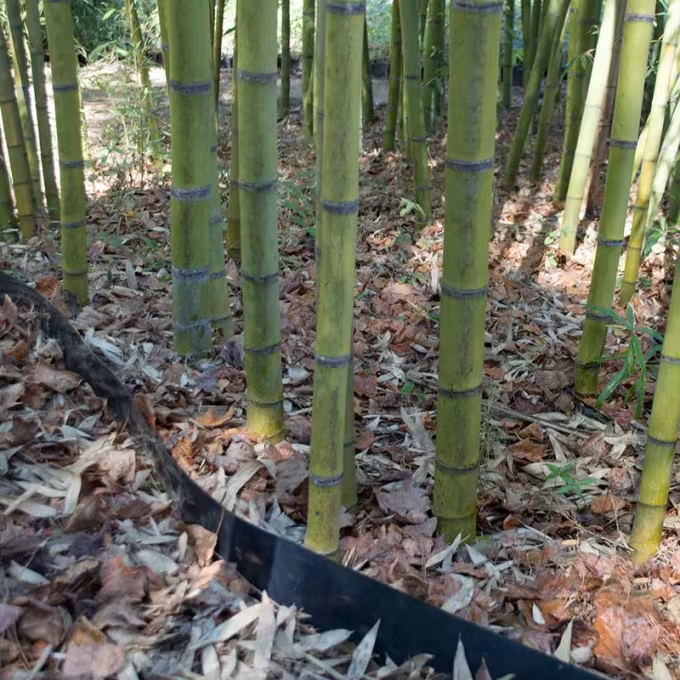
Description
Growing requirements
Phyllostachys viridis is a robust, woody perennial grass belonging to the Poaceae family. Originating from China, it is widely recognized for its impressive height and the rapid development of its thick, vibrant green culms.
Successful cultivation requires deep, fertile, and well-drained soils. The plant thrives in loamy conditions and is highly intolerant of waterlogged areas, which can lead to root rot. Proper site preparation, including soil aeration, is essential before planting.
The climate preference for this species includes mild winters and humid, warm summers. While it shows good cold tolerance compared to other tropical bamboos, it requires mulching in temperate regions to protect the rhizome system from deep freezing temperatures.
Light exposure is a significant factor for optimal growth. Providing a sunny or partial shade location ensures that the plant develops strong structural integrity. Inadequate light often results in thin, etiolated stems that lack the characteristic strength of the species.
Agricultural management should focus on consistent moisture during the growing season. Nitrogen-rich fertilizers applied in early spring act as a catalyst for the emergence of new culms, which is critical for biomass production and plantation density.
Yield
The economic utility of Phyllostachys viridis is diverse, ranging from timber production to food. Its sturdy culms are favored for furniture construction, garden structures, flooring, and various handcrafted tools due to their durability.
Young shoots are considered a delicacy in culinary applications. They require harvesting at a specific stage of development to ensure tenderness and avoid the bitter taste that develops as the shoot begins to harden and lignify.
In landscaping and forestry, this bamboo serves as an effective windbreak and privacy screen. Its rapid growth rate makes it a superior candidate for ecological restoration projects aimed at soil stabilization and preventing erosion on slopes.
The pulp and paper industry also utilizes the fiber of this bamboo species. Its eco-friendly profile makes it an increasingly popular alternative to traditional wood sources in the production of high-quality paper and textile materials.
Sustainability is a core benefit of bamboo plantations. Because the plant naturally regenerates from its rhizome network without the need for replanting, it provides a renewable resource cycle that can last for several decades with minimal human intervention.
Main diseases and pests
Common health issues include fungal infections that manifest during periods of excessive humidity. These pathogens primarily affect the foliage and stem nodes, potentially reducing the visual appeal and quality of the timber if not managed correctly.
Pests such as mites and scale insects can become problematic in sheltered or indoor environments. Regular monitoring of leaf undersides is recommended to catch infestations early before they lead to severe sap depletion and stunted plant growth.
Management of the rhizome system is a necessary task for any bamboo grower. Because Phyllostachys viridis is a runner type, installing underground barriers is crucial to prevent the plant from encroaching upon surrounding areas or neighboring fields.
Late spring frosts represent a threat to tender new shoots. While the established plant is generally hardy, the rapid growth phase is susceptible to sudden cold snaps, which can kill the season's new culm production.
Maintaining plant vigor through sanitation is the most effective defense. Pruning out dead or congested culms improves ventilation within the grove, significantly lowering the risk of disease spread and promoting a healthier overall ecosystem.