
Phyllostachys viridiglaucescens
Phyllostachys viridiglaucescens
Description
Growing requirements
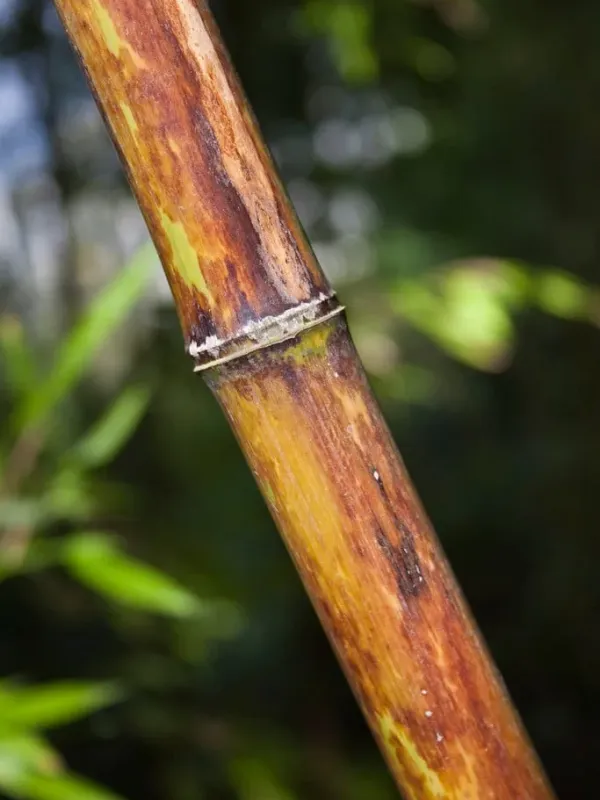
Phyllostachys viridiglaucescens is a robust, arborescent bamboo species belonging to the Poaceae family. This plant is known for its vigorous growth habit, forming dense, expansive thickets through the spread of its extensive rhizome system.
Originating from eastern China, this species thrives in humid subtropical environments. Today, it is cultivated worldwide, valued both for its aesthetic qualities in landscaping and its utility as a reliable source of raw material.
The plant requires deep, fertile, and well-drained soils to reach its full potential. While it can adapt to various soil types, loamy soils with a neutral or slightly acidic pH provide the most favorable conditions for rapid shoot development.
Regarding climate, this species is considered relatively cold-hardy for a bamboo, capable of withstanding temperatures as low as -20°C. In regions with harsh winters, young plants should be mulched to protect their rhizomes from severe freezing.
Adequate moisture is essential for this bamboo. During the spring growth season, regular and deep irrigation is crucial to support the rapid elongation of the culms. Providing consistent moisture levels ensures the foliage remains lush and healthy.
Yield
The primary economic use of this bamboo is the production of high-strength biomass. The culms are structurally sound and are widely utilized in furniture making, construction, handicrafts, and the manufacturing of high-quality flooring.
Edible shoots are another significant yield component. These are harvested early in the spring, just as they emerge from the soil, providing a highly prized ingredient in culinary applications due to their crisp texture and nutritional profile.
In landscaping and environmental management, the species is used to create privacy screens and windbreaks. Its ability to colonize and stabilize soil makes it an effective tool for erosion control on slopes and riparian zones.
Managed plantations can achieve significant yearly yields of timber. Selective harvesting of mature culms ensures the long-term productivity and health of the stand without depleting the essential root biomass required for future growth.
The species also possesses potential in the bio-energy and paper pulp sectors. Its rapid growth and carbon sequestration capacity align with modern agricultural goals for sustainable and regenerative resource production.
Main diseases and pests
Spider mites and mealybugs are the most common pests affecting this bamboo species. They typically thrive in hot, dry conditions or stagnant environments, necessitating effective pest monitoring and occasional insecticide applications.
Fungal pathogens such as rusts and leaf spot diseases can occur, particularly in stands with poor air circulation or excessive soil moisture. Pruning infected areas and improving ventilation are key cultural practices for mitigation.
Root rot is a major threat in poorly drained or waterlogged soils. Establishing a proper drainage system prior to planting is the most effective preventative measure to ensure the longevity of the bamboo plantation.
Slugs and snails may damage the succulent, emerging shoots in early spring. Protecting the immediate area around the rhizomes with physical barriers can help mitigate this risk during the critical growth initiation phase.
Nutrient management is vital to prevent chlorosis and maintain plant vigor. A balanced fertilization program, rich in organic matter, supports healthy shoot development and enhances the plant's natural resistance to environmental stressors.