
Phyllostachys reticulata
Phyllostachys reticulata
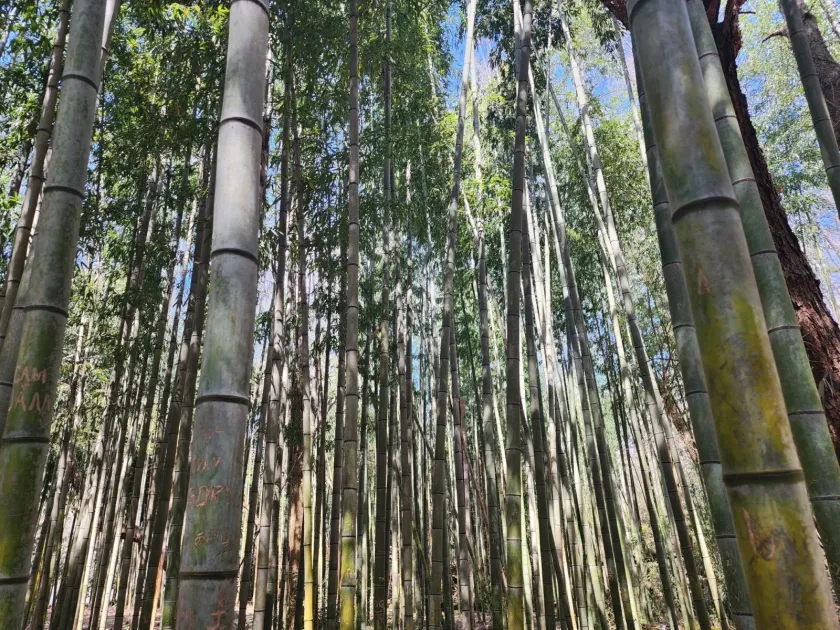
Description
Sowing dates
Phyllostachys reticulata is typically propagated through vegetative division, as flowering and seed production are extremely rare events occurring only once every several decades. The best time for division is early spring before new shoot growth begins.
For planting, select 2-3-year-old rhizome segments with healthy root systems and visible dormant buds. Maintaining a substantial soil ball around the roots is essential to minimize transplant shock and ensure successful establishment.
Spacings should be set at least 3 to 5 meters apart to accommodate the aggressive lateral growth of the rhizomes. Proper spacing allows for sufficient nutrient access while the grove matures and closes the canopy.
If propagation by culm cuttings is used, sections must be cut at an angle and placed in a moist, well-draining substrate under shade. This method requires meticulous humidity control for several months to encourage rooting.
Successful planting relies on proper soil preparation, ensuring the site is clear of weeds and enriched with organic compost. Immediate deep watering after planting is mandatory to settle the soil around the rhizomes.
Growing requirements
This species belongs to the Poaceae family and is a giant timber bamboo. It thrives in well-drained, fertile soils with a pH ranging from slightly acidic to neutral. High organic matter content is preferred for optimal growth.
The plant requires a humid subtropical climate to reach its full size. While it can withstand occasional frost down to -15 degrees Celsius, consistent protection from freezing winds is crucial to prevent damage to the culms.
Regular irrigation is vital during the growing season, particularly for young groves. Despite the bamboo's ability to tolerate short dry spells, sustained drought will significantly stunt culm development and diameter.
Ample sunlight is necessary for the plant to achieve its maximum height and strength. However, young bamboo may benefit from partial shade during the first year of growth until the root system is fully established.
Fertilization with nitrogen-rich organic matter in the spring encourages rapid growth. As a heavy feeder, the bamboo requires consistent nutrient supply to maintain the high volume of biomass produced annually.
Yield
The primary economic focus of Phyllostachys reticulata is timber production. The culms are prized for their strength, flexibility, and light weight, making them ideal for construction, flooring, and furniture manufacturing.
Harvesting usually begins when the grove reaches maturity, which typically occurs between 5 and 7 years after initial planting. Selective harvesting of older, thicker culms ensures the long-term productivity of the plantation.
The yield of bamboo biomass per hectare is exceptionally high, often exceeding that of traditional forestry crops. Sustainable harvesting practices include leaving a percentage of mature culms to support the plant's metabolic needs.
Young shoots are harvested in the spring for culinary purposes. These shoots are considered a premium vegetable, provided they are harvested before the fiber begins to harden and lignify, ensuring a tender texture.
Efficient management involves ongoing thinning of the grove to prevent overcrowding. By removing dead or weak culms, the grower encourages the development of larger, more valuable timber stalks in subsequent seasons.
Main diseases and pests
Fungal diseases are the primary concern for bamboo groves, especially in stagnant, high-humidity environments. Rhizome rot can spread rapidly if the plantation lacks adequate drainage or if the soil remains waterlogged.
Pests such as aphids and spider mites can attack the foliage, reducing the plant's ability to photosynthesize. Stem borers may also pose a risk by damaging the internal structure of the culms, thereby lowering the timber quality.
Integrated pest management, including sanitation and habitat optimization, is the most effective way to protect the crop. Removing infected material promptly prevents the spread of pathogens throughout the grove.
- Implement a strict sanitation routine for all tools.
- Conduct regular inspections for signs of pest infestations.
- Ensure excellent drainage across the entire plantation site.