
Phyllostachys nidularia
Phyllostachys nidularia
Description
Growing requirements
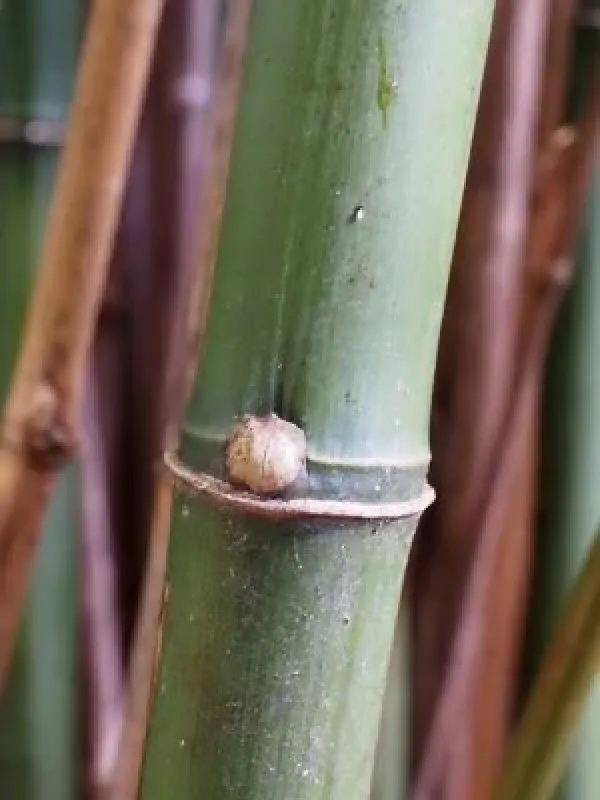
Phyllostachys nidularia is a vigorous species of bamboo belonging to the grass family (Poaceae). Known for its dense growth habit, it is a significant ornamental and commercial crop favored for its straight and durable culms.
The plant originates from Eastern China, where it is naturally found in temperate to subtropical forest ecosystems. It is well-adapted to regions with distinct seasons, though it flourishes best in areas with mild winters and high humidity during the growing period.
For optimal growth, this bamboo requires deep, fertile, and well-drained soil. It thrives in loamy substrates with a slightly acidic to neutral pH. Proper soil moisture is essential, but the species cannot tolerate waterlogged conditions which often lead to root decay.
Full sun exposure is preferred for maximum biomass production, although the plant displays moderate tolerance for partial shade. It requires protection from harsh, drying winds, which can easily damage the foliage and dehydrate the developing shoots.
Cultivation practices involve active management of the rhizome system, which is naturally invasive. Using root barriers is standard practice in agricultural settings to prevent the unwanted expansion of the plantation into adjacent areas.
Yield
The economic potential of Phyllostachys nidularia lies in both the production of durable bamboo wood and edible shoots. Its timber is highly valued for manufacturing high-quality flooring, furniture, and various garden structures.
Edible shoot production represents a primary harvest goal in many regions. These shoots are harvested in the early spring, immediately after they emerge from the ground, ensuring they remain tender and suitable for culinary applications.
Sustainable plantation management involves a rotational harvesting strategy, where mature culms are selectively cut every three to five years. This practice encourages the growth of new, vigorous shoots and maintains high yields.
The industrial processing of mature culms includes drying and treatment to improve durability against rot and insect attacks. Its fiber characteristics make it suitable for textile production and paper manufacturing as well.
Proper nutrient management, specifically nitrogen application, is critical for supporting the rapid development of new biomass, ensuring that the plantation remains productive for many years without soil degradation.
Main diseases and pests
Fungal pathogens such as leaf rust and powdery mildew are the most common diseases, typically occurring in environments with poor air circulation or excessive humidity levels. These conditions significantly hinder plant growth.
Bamboo mites constitute the most frequent pest challenge, feeding on the undersides of leaves and reducing the plant's photosynthetic capacity. Prompt identification and localized treatment are essential for control.
Below-ground, subterranean pests such as larvae can disrupt the rhizome network, weakening the entire bamboo cluster. Monitoring for these pests is vital during the establishment phase of the plantation.
Biosecurity measures, such as sanitizing harvesting tools and removing debris, are crucial to prevent the transmission of pathogens between healthy and infected bamboo culms within the field.
Overall, Phyllostachys nidularia is resilient. Its main threats are mitigated by following standardized spacing and ensuring adequate airflow between clusters, which discourages the development of most common diseases.