
Phyllostachys mannii
Phyllostachys mannii
Description
Growing requirements
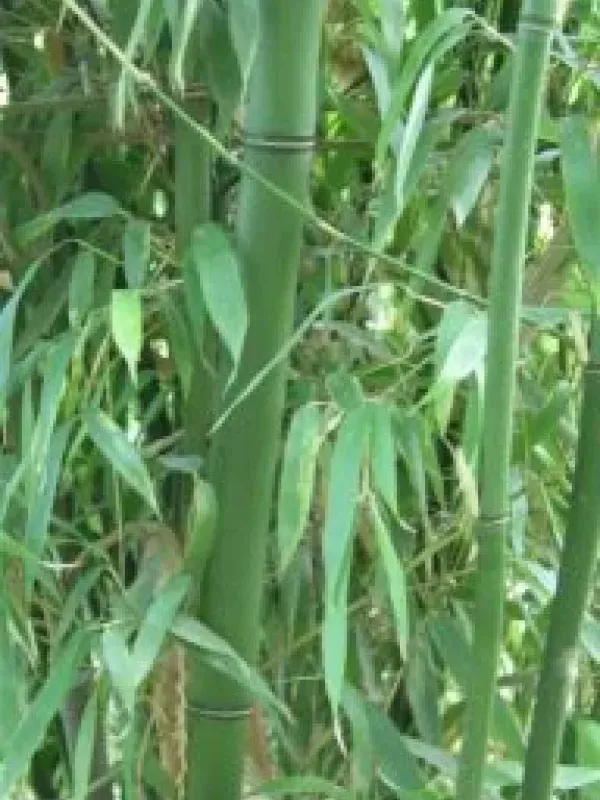
Phyllostachys mannii belongs to the Poaceae family, specifically the bamboo subfamily. This perennial species is characterized by its woody culms and vigorous rhizome system, which allows it to spread efficiently in suitable environments.
Originating from the mountain regions of Asia, this bamboo species is adapted to moist, temperate-to-subtropical climates. It thrives best in regions where high humidity levels are maintained throughout the growing season.
Successful cultivation requires nutrient-rich, well-draining soil. It prefers a slightly acidic to neutral pH balance, which facilitates the optimal uptake of essential minerals required for the development of strong, fibrous stems.
Regular irrigation is vital during the initial establishment phase. Once mature, the plant shows moderate drought tolerance, but consistently moist soil significantly improves the quality and diameter of the culms produced.
The plant requires protection from extreme cold. In temperate climates, the rhizomes should be mulched during the winter months to prevent damage from ground frost, which can otherwise impede growth in the subsequent season.
Main diseases and pests
Common threats to this species include fungal infections such as root rot, which typically occurs in poorly drained soils. Furthermore, infestations by aphids or spider mites may occur during periods of prolonged heat and low humidity.
Harvesting
The agricultural and economic utility of this species includes its use in the timber industry, traditional craft manufacturing, and the production of high-quality garden mulch or living landscape privacy screens.