
Phyllostachys
Phyllostachys hybrids
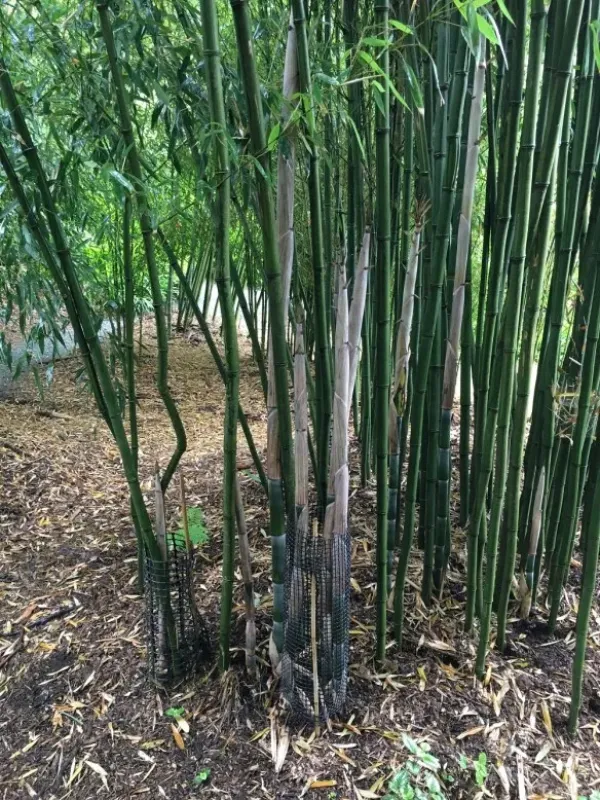
Description
Growing requirements
Phyllostachys belongs to the Poaceae family and represents one of the most widely cultivated genera of running bamboos. This crop is renowned for its rapid biomass accumulation and the formation of sturdy, woody culms that serve various industrial purposes.
Originating from the subtropical and temperate regions of East Asia, Phyllostachys thrives in climates that provide moderate temperatures and sufficient rainfall. It is widely grown today in regions where frost levels do not jeopardize the survival of the rhizome system.
The culture requires well-drained, fertile soils with a neutral to slightly acidic pH level. High moisture availability is essential, yet the crop cannot tolerate waterlogged conditions, making proper field drainage a prerequisite for successful cultivation.
Optimal growth occurs in sunny locations protected from prevailing winds. Young plantations are particularly sensitive to moisture deficit and require systematic irrigation management until they are fully established.
Agronomic practices include the application of nitrogen-rich fertilizers to boost spring growth and careful management of rhizome spread. Because this bamboo spreads via runners, planting containment barriers is often necessary to keep the crop within defined boundaries.
Yield
The primary economic value of Phyllostachys lies in its woody culms, which are extensively used in construction, flooring, furniture manufacturing, and as high-quality raw material for paper pulp.
Young shoots are a culinary staple, harvested shortly after they emerge from the soil. They are highly valued in the food industry for their distinct texture and nutritional profile, provided they are processed correctly.
The fast growth rate of the species makes it a highly efficient carbon sink, positioning it as an environmentally friendly crop for large-scale agricultural projects focusing on renewable resource production.
Textile manufacturing also utilizes Phyllostachys fibers, which are known for their softness, breathability, and natural resistance to odors, making them a popular alternative to synthetic fibers.
Beyond commodities, these plantations provide significant ecological benefits, including erosion control on slopes and the creation of natural windbreaks that protect neighboring sensitive crops.
Main diseases and pests
Common phytopathological issues include fungal infections such as rust and leaf spot, which typically thrive in dense, poorly ventilated plantations with excessive canopy moisture.
Pests such as bamboo mites and aphids represent a significant challenge for growers. These insects can weaken plants by extracting sap from leaves, often causing chlorosis and stunted culm development.
Soil-borne larvae may occasionally target the rhizome system, potentially causing gaps in the stand and reducing the overall density of the crop over time.
Management strategies involve regular monitoring, sanitation (removing dead or infected culms), and the selective use of appropriate fungicides or insecticides when damage thresholds are exceeded.
Maintaining high hygiene standards in the nursery and selecting resistant varieties are the most effective ways to prevent the introduction and spread of serious bamboo-specific diseases.