
Phyllocladus
Phyllocladus
Phyllocladus is a genus of evergreen conifers belonging to the Podocarpaceae family. These plants are native to the temperate and subtropical forests of New Zealand, Tasmania, New Guinea, and the Philippines. The genus is highly regarded in botany for its distinct evolutionary adaptations to diverse forest environments.
What the section contains


Phyllocladus
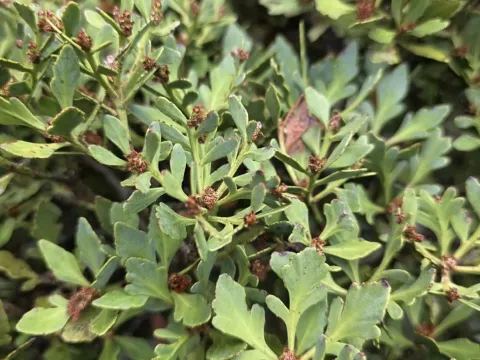
The defining botanical feature of this genus is the presence of phylloclades. These are flattened, leaf-like stem segments that perform photosynthesis, as the true leaves of mature plants are typically reduced to small, scale-like structures. This adaptation allows the plant to efficiently manage water loss and nutrient transport.
The cultural requirements for Phyllocladus involve well-drained, acidic to neutral soils rich in organic matter. They thrive in environments where aeration is high, as the root system is sensitive to waterlogging. When cultivated in containers, a high-quality, porous substrate is essential to ensure long-term health.
Climate requirements emphasize the need for moderate temperatures and consistent ambient humidity. Phyllocladus is not tolerant of frost or extreme heat. In non-native regions, these plants are best suited for conservatories or greenhouses, where light levels can be managed to prevent leaf scorching while maintaining optimal growth temperatures.
Host use of Phyllocladus is primarily decorative. Due to their unique architecture and evergreen nature, they are often used in botanical gardens and specialized landscaping projects. While the wood of some species has been historically used for its durability, the slow growth rate of the tree makes large-scale commercial wood production unsustainable.
Disease management in Phyllocladus focuses on preventing root rot, which is common in overwatered or poorly drained soils. Fungal pathogens thrive in saturated conditions, making proper irrigation scheduling the most critical preventative measure for nursery and greenhouse managers.
Common pests include scale insects and mealybugs, which tend to hide within the intricate structures of the phylloclades. Integrated pest management strategies, involving both manual removal and the application of horticultural oils or systemic insecticides, are necessary to protect the plant from significant sap-feeding damage.