
Hunnewell yew
Taxus hunnewelliana
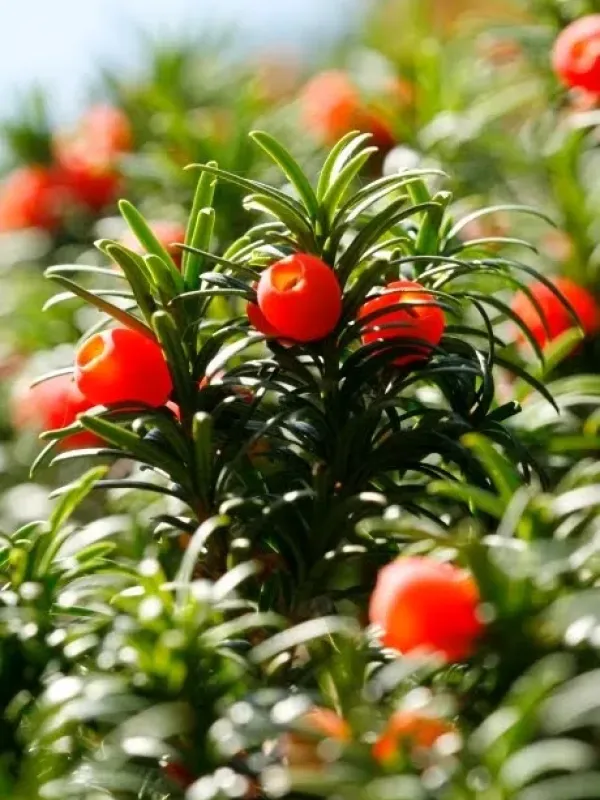
Description
Growing requirements
Hunnewell yew (Taxus hunnewelliana) is a significant hybrid conifer belonging to the Taxaceae family, resulting from a cross between Taxus baccata and Taxus cuspidata. This cultivar is prized in horticulture for its hardiness, refined foliage texture, and adaptability to various garden conditions.
The cultural requirements for this plant focus on well-draining soil that is rich in organic matter. While it can thrive in a range of soil types, it is strictly intolerant of standing water, which can lead to root system decay and overall plant decline within a single season.
Regarding climate exposure, the plant performs best in locations that provide partial shade, though it can tolerate full sun provided the soil moisture is consistently managed. It is important to protect young specimens from harsh, drying winds that can cause winter scorch on the needles.
The standard agronomic practice for maintaining this shrub involves periodic mulching to suppress weeds and maintain cool root temperatures. Irrigation should be applied deeply rather than frequently, ensuring the water reaches the lower root zone to promote deeper anchor growth.
Pruning is essential for maintaining a specific shape or size in a landscape setting. As a slow-growing evergreen, the yew responds very well to shearing, making it an excellent choice for formal hedges, topiary art, or structured foundation plantings.
Main diseases and pests
The primary threats to the health of Taxus hunnewelliana include scale insects such as the taxus mealybug. These pests are often difficult to detect early, so regular inspection of the lower leaf surfaces and inner branches is necessary for effective management.
Fungal pathogens represent the most significant environmental risk, particularly Phytophthora root rot caused by poor soil drainage. Signs of infection include yellowing foliage and branch dieback, which necessitates immediate soil amendments and potential use of specialized fungicides.