
Celery-top pine
Phyllocladus aspleniifolius
Description
Growing requirements
The Celery-top pine (Phyllocladus aspleniifolius) is a unique conifer native to the temperate rainforests of Tasmania. It belongs to the Podocarpaceae family and is highly regarded for its distinct botanical structure and the high quality of its dense, durable wood.
In terms of habitat, this species thrives in cool, moist environments with high annual rainfall. It is typically found in old-growth forests where the climate remains relatively stable throughout the year, avoiding extreme heat or prolonged sub-zero temperatures.
Cultivation requires acidic, well-drained soil rich in organic matter. While it is tolerant of shade in its natural understory habitat, successful propagation in a managed environment requires careful attention to soil moisture levels and avoiding the accumulation of stagnant water.
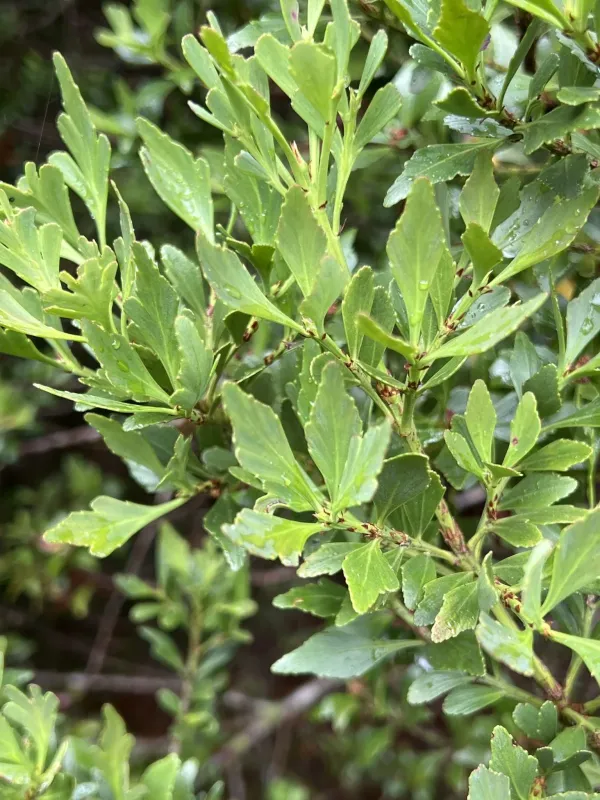
The most striking feature of the plant is its phylloclades—flattened, leaf-like branchlets that perform the function of photosynthesis, as the true leaves are highly reduced. These structures resemble the fronds of a celery plant, which gives the species its common name.
While historically harvested for timber, current interest in the Celery-top pine is largely focused on botanical conservation and specialized horticultural collections. Its slow growth rate makes it a long-term investment for arboreta and specialized temperate gardens.
Main diseases and pests
Pathogenic fungi present the most significant threat to the health of these trees, particularly in nursery settings where humidity levels are high. Root rot pathogens are known to cause rapid decline in weakened or improperly planted specimens.
Insect pests are generally less problematic in the wild but can cause damage in glasshouses. Monitoring for common sap-sucking insects like scales or mites is essential to prevent infestations that could weaken the plant's structural integrity or aesthetic value.