
Phyllocladus trichomanoides
Phyllocladus trichomanoides
Description
Growing requirements
Phyllocladus trichomanoides, commonly known as Tanekaha or celery pine, is a distinctive coniferous tree belonging to the Podocarpaceae family. It is native to the forests of New Zealand, where it thrives in temperate, high-humidity environments.
The cultivation of this species requires well-drained, fertile soil with a slightly acidic to neutral pH. Proper soil structure is essential, as the roots are sensitive to waterlogging, which often leads to severe physiological issues in the tree.
In terms of light exposure, Tanekaha prefers dappled sunlight or partial shade. While young trees are susceptible to sunscald and require protection from direct harsh rays, mature trees can adapt to brighter conditions provided that atmospheric moisture levels are sufficient.
Agricultural management involves consistent watering practices to keep the root zone moist but never saturated. In drier climates, overhead irrigation or misting is recommended to maintain the health of the unique phylloclades.
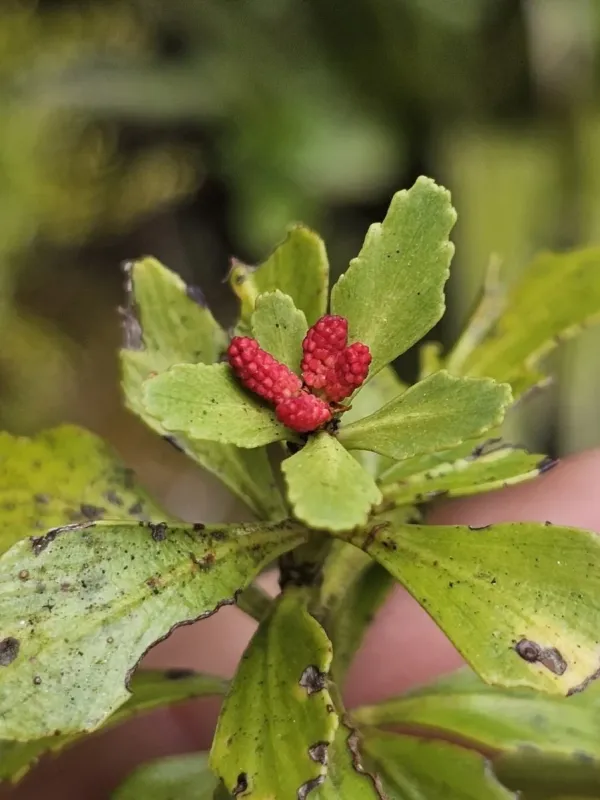
Botanically, the species is remarkable for its phylloclades, which are flattened branchlets that mimic the function and appearance of leaves. This adaptation allows the tree to perform photosynthesis efficiently under the canopy of dense forests.
Main diseases and pests
The primary threats to Phyllocladus trichomanoides in a cultivation setting include fungal pathogens that cause root rot. These are frequently triggered by poor soil drainage and stagnant air circulation around the base of the plant.
Pest management focuses on controlling sap-sucking insects like scales and aphids, which can severely weaken the tree if left unchecked. Early detection through regular monitoring is the most effective defense strategy.
Environmental stressors, such as extreme heatwaves and prolonged droughts, pose a significant risk to the health of the trees. Maintaining a stable microclimate is key to preventing physiological stress and subsequent vulnerability to disease.
Sanitation practices, such as removing fallen debris and thinning out overcrowded canopy sections, help to reduce the presence of fungal spores and pests, contributing to a healthier growth environment.
If chemical intervention becomes necessary, only targeted fungicides or insecticides should be used. Always follow the manufacturer's guidelines to minimize the ecological impact on the surrounding soil microbiome.
Harvesting
The wood of Phyllocladus trichomanoides is highly regarded in the timber industry for its strength, durability, and attractive grain pattern. It has historically been used for construction and high-quality cabinet making.
Beyond timber, the bark of the tree is a rich source of tannins. These natural compounds have traditionally been utilized for leather tanning and as a dyeing agent, producing rich reddish and brownish hues in textiles.
In landscape architecture, the tree serves as an ornamental feature, prized for its delicate, fern-like silhouette. It is increasingly popular in temperate garden designs that aim to incorporate unique, slow-growing native species.
Propagation is typically performed through seed germination or cuttings. Seeds require a cold stratification process to overcome dormancy, making nursery production a technical challenge that demands professional expertise.
Sustainable harvesting is essential, as the slow growth rate of the species makes it vulnerable to over-exploitation. Responsible forestry practices must be employed to ensure the longevity of cultivated stands.