
Phyllocladus hypophyllus
Phyllocladus hypophyllus
Description
Growing requirements
Phyllocladus hypophyllus is a distinct evergreen conifer belonging to the Podocarpaceae family. It is native to the tropical montane forests of New Guinea, the Moluccas, and the Philippines, where it thrives in humid, cool environments.
The species requires a climate characterized by high humidity and consistent temperatures. It is highly sensitive to frost and extreme drought, making it suitable primarily for regions mimicking its natural mountainous, misty habitat.
Soil preferences for this culture include well-draining, nutrient-rich substrates with a slightly acidic to neutral pH. Proper drainage is critical, as the roots are highly susceptible to rot when subjected to waterlogged conditions for extended periods.
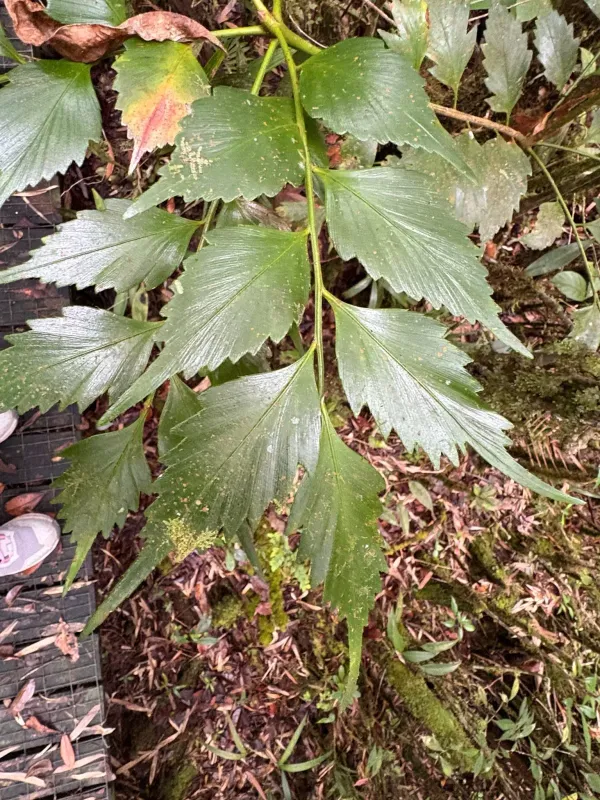
The botanical highlight of this tree is its phylloclades, which are modified photosynthetic shoots that resemble leaves. This evolutionary adaptation allows the tree to maintain photosynthesis under varying light intensities found in dense tropical forest canopies.
Economically, the timber of Phyllocladus hypophyllus is valued for its durability and resistance to degradation. It is utilized in various woodcraft applications, though its slow growth rate makes large-scale plantation forestry challenging.
Main diseases and pests
Fungal pathogens represent the most significant threat to the health of these trees, particularly in environments with poor air circulation. High humidity combined with stagnant air often leads to foliar diseases that weaken the plant's structural integrity.
Pests such as scale insects and aphids often target young shoots and stems, extracting nutrients and creating wounds that serve as entry points for secondary infections. Early detection and targeted treatment are essential for plantation maintenance.
Root rot, caused by various soil-borne oomycetes, is a prevalent issue in poorly drained sites. It often leads to irreversible wilting and eventual death of the tree, emphasizing the importance of site preparation and proper drainage installation.
Environmental stress, such as exposure to direct scorching sun or excessive wind, can damage the delicate phylloclades. Providing appropriate shelter and shade during the juvenile growth stages is vital for the survival of the saplings.
Habitat loss due to deforestation poses a long-term risk to the species' survival. Efforts to conserve the natural genetic diversity of Phyllocladus hypophyllus involve strict monitoring of wild populations and controlled propagation in research centers.