
Phyllocladus toatoa
Phyllocladus toatoa
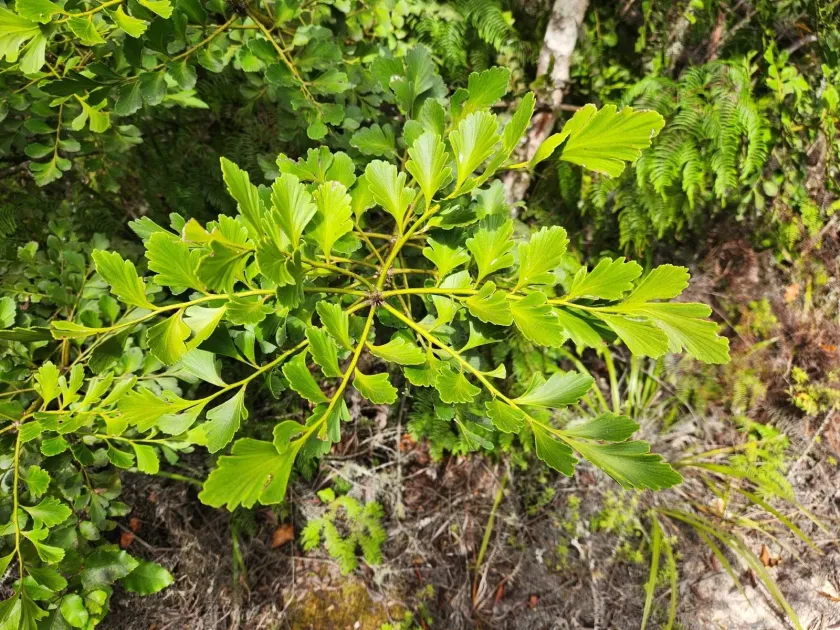
Description
Growing requirements
Phyllocladus toatoa is a distinct coniferous tree belonging to the Podocarpaceae family. It is native to the forests of New Zealand, specifically thriving in mountainous regions where the climate remains cool and consistently humid throughout the year.
The tree is botanically renowned for its unique phylloclades, which are flattened, leaf-like branchlets that perform the process of photosynthesis. This adaptation is essential for the plant's survival in its natural high-altitude habitat, distinguishing it from traditional needle-bearing conifers.
To successfully cultivate Phyllocladus toatoa, one must provide a soil mixture that is both rich in organic matter and highly permeable. Drainage is critical; the roots are highly susceptible to rot if subjected to waterlogged conditions, even for short periods.
Environmental conditions should mimic those of a temperate cloud forest. The species requires protection from intense, direct sunlight and prefers a high-humidity environment. Constant air circulation is also beneficial to prevent the accumulation of heat and moisture-related stress.
In terms of usage, this plant is primarily utilized in horticultural settings and botanical gardens. Its aesthetic value lies in its unusual structure and the elegant, layered arrangement of its phylloclades, making it a sought-after specimen for specialized collections.
Main diseases and pests
The primary threats to Phyllocladus toatoa involve fungal pathogens that attack the root system, often caused by overwatering or poor drainage systems in containers. Root rot can be irreversible if not detected at the very early stages of development.
Insects like mealybugs and scale insects pose significant risks to the foliage. They settle in the junctions of the phylloclades, sucking nutrients and weakening the plant's structural integrity over time if left unmanaged.
Spider mites are a common menace in indoor or greenhouse settings where humidity levels fall below the required threshold. These pests cause discoloration of the foliage and can lead to leaf drop if infestations become severe.
Environmental stress, particularly sudden exposure to freezing temperatures or excessive dry heat, can lead to tissue death. The plant's inability to adjust quickly to rapid changes in microclimate makes it vulnerable to secondary infections.
Effective management includes regular inspection of the foliage and the application of horticultural oils or systemic treatments when pests are identified. Maintaining a stable, slightly acidic soil pH is also vital for long-term plant vigor.