
Torreya
Torreya Arn.
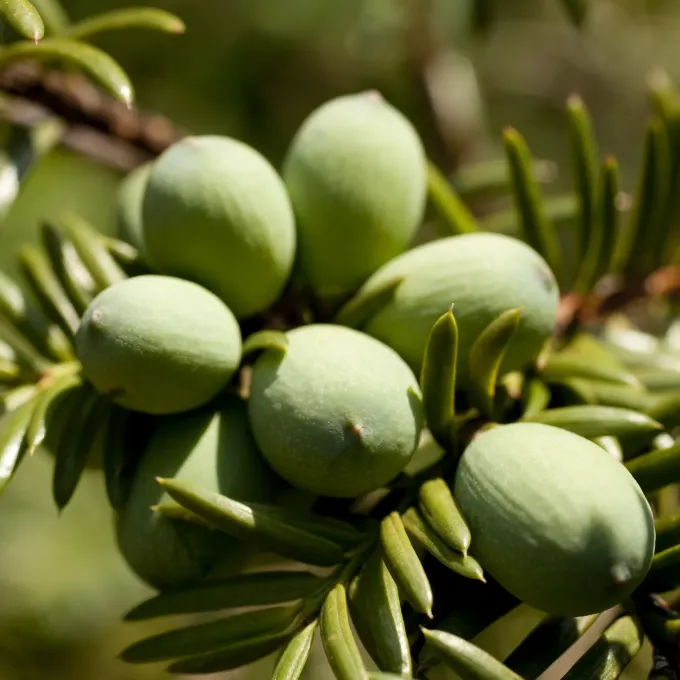
Description
Sowing dates
Propagation of Torreya is primarily achieved through seeds, which require a prolonged cold stratification process lasting up to a year. Sowing is best performed in the autumn, allowing the seeds to undergo natural dormancy-breaking cycles throughout the winter season.
For vegetative propagation, semi-hardwood cuttings are taken in late summer. These cuttings require careful handling, including high humidity and stable temperatures within a propagation frame to ensure successful root development.
The ideal time for transplanting nursery-grown seedlings into the field is early spring. This timing allows the root system to become established before the onset of extreme summer heat or subsequent winter frost.
Choosing the right location is crucial; Torreya prefers sites with filtered light or dappled shade. Direct, intense sunlight should be avoided to prevent foliage scorching, especially in young plants.
Spacing requirements vary depending on whether the trees are intended for nut production or landscaping. Typically, a distance of several meters between plants is necessary to prevent overcrowding and to ensure air circulation.
Growing requirements
Torreya is a genus within the Taxaceae family, consisting of evergreen coniferous trees and large shrubs. These plants are known for their distinct foliage and ecological value in temperate and subtropical climates.
The soil must be fertile, moist, and, most importantly, well-drained. Torreya species are highly sensitive to waterlogged conditions, which frequently lead to root rot and eventual death of the plant.
A soil pH ranging from slightly acidic to neutral (6.0–7.0) is considered optimal. Enriching the soil with organic matter, such as leaf mold or compost, is highly recommended to improve structure and nutrient availability.
These trees thrive in areas with high ambient humidity. They generally do not tolerate hot, dry winds or prolonged drought, making supplemental irrigation essential in many cultivation environments.
While mature trees of certain species can withstand moderate frost, young Torreya plants require protection against extreme temperatures. Winter mulching helps regulate soil temperature and retain essential root zone moisture.
Yield
The primary economic focus of Torreya cultivation is the production of edible seeds, often referred to as nuts. These are highly prized for their nutritional density and the high-quality oils they contain.
Trees are slow to reach maturity, with commercial production typically beginning 10 to 20 years after planting. Yield optimization is achieved through consistent pruning and maintaining tree health.
In addition to food production, Torreya wood is extremely valuable in woodworking and musical instrument craftsmanship. It is prized for its fine grain, aromatic properties, and natural decay resistance.
Proper nutrient management throughout the growing season is critical for consistent yields. Fertilization should be focused on promoting balanced vegetative and reproductive growth without forcing excessive, weak shoots.
Managing the plant canopy to encourage female flower production is a key strategy for commercial orchards. Removing competing weeds and maintaining clean orchard floors further supports overall productivity.
Main diseases and pests
The most significant threat to Torreya is root infection caused by various fungal pathogens, usually triggered by stagnant moisture in the soil. Good drainage and site selection are the best preventive measures.
Scale insects can damage the needles and young stems, leading to foliage yellowing and decreased vigor. Systemic insecticides are often employed when pest populations exceed acceptable thresholds during the spring.
Foliage-feeding larvae can cause localized damage to the tree's canopy. Regular scouting during the growing season allows for early detection and targeted management before damage becomes severe.
Powdery mildew and other fungal leaf spots can appear if air circulation is inadequate. Pruning branches to open the canopy improves airflow and reduces the risk of these diseases spreading.
Environmental stress is a precursor to many secondary infections. Maintaining optimal moisture levels and avoiding drastic temperature fluctuations help ensure the tree remains robust enough to resist common pathogens.
Harvesting
Harvesting involves collecting seeds once they have reached physiological maturity. It is vital to collect them promptly, as seeds left on the ground for extended periods are prone to decay and animal predation.
Using protective netting underneath the tree canopy is a common technique to minimize harvest losses. This method catches falling seeds, making the collection process more efficient for the grower.
Post-harvest processing requires the removal of the fleshy exterior coat, followed by thorough cleaning and drying. Proper moisture reduction is essential to prevent mold growth during storage.
Storage facilities should maintain cool, dry conditions to preserve the nutritional content and shelf life of the nuts. High-quality seeds are sorted by size before being prepared for market distribution.
Careful grading ensures that only intact and healthy seeds reach the consumer. Because of the high demand for Torreya nuts, maximizing the quality of the harvested product is a priority for commercial producers.