
Harrington's plum yew
Cephalotaxus harringtonii
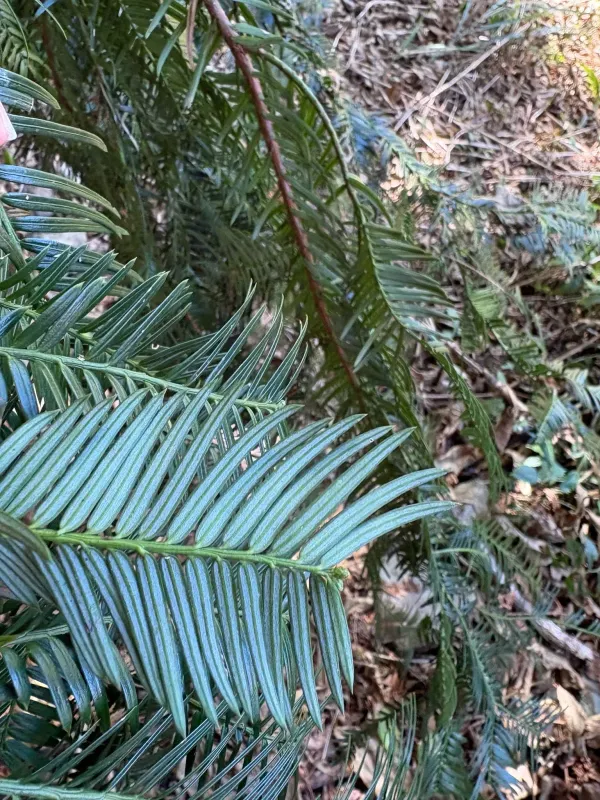
Description
Sowing dates
Propagation of Cephalotaxus harringtonii is most effectively achieved through semi-hardwood cuttings taken in late summer to ensure successful root development.
Seeds can be used for propagation, but they require a prolonged stratification process and may take up to two years to germinate, making this method impractical for hobbyists.
When planting cuttings, a well-draining sterile medium is essential to prevent rotting, and keeping the environment humid is key to maintaining vitality.
In commercial nursery settings, seedlings are often grown in containers to allow for easier management of soil moisture and nutrient levels during the early growth stages.
Transplanting into permanent garden locations should be timed to avoid heat stress, ideally during the dormant season or early spring for established specimens.
Growing requirements
Harrington's plum yew belongs to the Cephalotaxaceae family and is native to Japan, where it thrives in moist, temperate forest environments.
The plant prefers fertile, well-draining soil with a neutral to slightly acidic pH and performs best in partial to full shade, away from harsh direct sunlight.
It is valued for its hardiness and evergreen nature, although it requires protection from severe desiccating winds and extremely low winter temperatures.
Adequate moisture is required for young plants, but once established, the species shows a moderate tolerance to dry conditions if the soil is properly mulched.
Regular maintenance involves light pruning to shape the plant and the removal of dead or crossing branches to encourage healthy growth and density.
Yield
This species is primarily cultivated as an ornamental plant in landscapes and gardens due to its elegant, yew-like foliage and versatile growth habit.
The shrub is highly adaptable to pruning, making it an excellent candidate for formal hedges, topiary art, and foundation plantings in shaded areas.
Beyond aesthetics, Cephalotaxus harringtonii is a subject of medical research due to the unique alkaloids found in its needles and bark, which show potential in oncology.
The wood is dense and durable, though it has limited commercial utility due to the plant's slow growth rate compared to other timber species.
When used in urban landscaping, it provides year-round color and structure, acting as a reliable evergreen element in diverse garden designs.
Main diseases and pests
Harrington's plum yew is relatively resistant to most common garden pests, contributing to its popularity as a low-maintenance landscape plant.
The main threat to plant health is root rot, typically caused by poor drainage and waterlogged soil conditions, which can be fatal if left untreated.
Occasional infestations of scale insects or mealybugs may occur in sheltered locations, leading to unsightly foliage and potential loss of vigor.
Proper site selection, which ensures excellent soil aeration and natural drainage, is the primary defense against most fungal and bacterial infections.
Monitoring for signs of stress and providing immediate care, such as targeted treatment with appropriate horticulture oil or fungicides, helps sustain long-term plant health.