
Wild blue phlox
Phlox x procumbens Lehm.
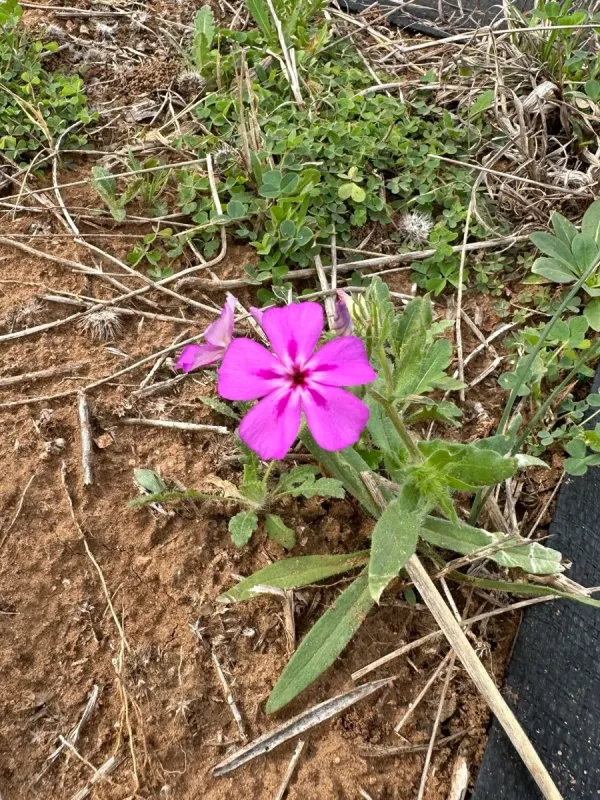
Description
Sowing dates
Wild blue phlox is typically propagated by division or stem cuttings, as this ensures the offspring remain genetically identical to the parent plant, maintaining its unique traits.
The best time to divide established clumps is in early spring just as new growth emerges, or in late summer after the main flowering period has completely ended.
Seeds can be sown outdoors in the autumn, allowing them to experience cold stratification over the winter, which is essential for successful and uniform germination in the spring.
When planting, set the root balls at the same depth they were growing at previously, spacing them roughly 10 to 12 inches apart to allow for proper air circulation.
After transplanting, it is crucial to keep the soil consistently moist until the plants are well-established and show clear signs of active growth in their new location.
Growing requirements
Wild blue phlox, a member of the Polemoniaceae family, is a native woodland plant that thrives in filtered light or dappled shade, making it a staple for shaded perennial borders.
The species requires rich, slightly acidic to neutral soil that remains evenly moist but never waterlogged, as poor drainage is the primary cause of root rot in this plant.
This hardy perennial is perfectly adapted to cold temperate climates, though applying a light layer of mulch in the autumn helps protect the crown during freezing cycles.
Fertilizing with a balanced, slow-release organic fertilizer in early spring supports healthy foliage and produces the characteristic fragrant, lavender-blue flowers.
The plant performs best when kept away from the scorching afternoon sun; excessive heat and light exposure can lead to wilting and reduced flower duration if not managed.
Main diseases and pests
Powdery mildew is the most frequent ailment affecting Phlox divaricata, appearing as a white dusting on the foliage; it is best managed by providing excellent air flow.
Leaf spot diseases may occur in overly humid conditions, which can be mitigated by watering the base of the plant instead of overhead spraying, keeping leaves dry.
Stem nematodes represent a serious threat, causing stunted and twisted growth, which requires the removal and destruction of the entire plant to prevent spreading to others.
Slugs and snails can be quite destructive to emerging spring foliage, necessitating organic pest controls such as copper barriers or iron phosphate baits around the garden beds.
Consistent garden hygiene, such as removing fallen leaves and dying stalks at the end of the season, significantly reduces the overwintering capacity of common plant pathogens.