
Lilac phlox
Phlox x lilacina hort. ex Wherry
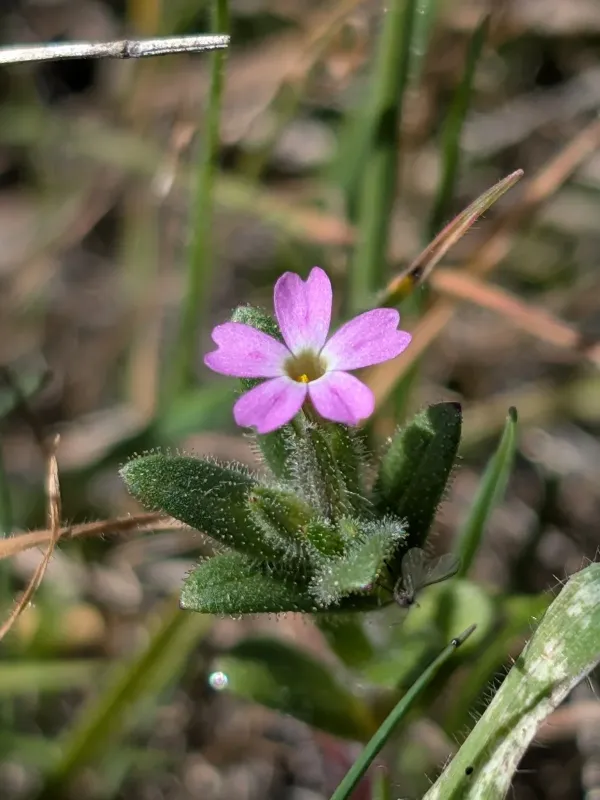
Description
Sowing dates
Lilac phlox (Phlox x lilacina) is a decorative perennial plant belonging to the Polemoniaceae family. This hybrid taxon is highly appreciated by gardeners for its elegant flower shades and robust growth habit.
Propagation is primarily achieved through vegetative methods such as root division or softwood cuttings during the spring season. Seed sowing is also an option, although it requires a mandatory stratification period to ensure successful germination.
The optimal time for transplanting seedlings into the garden is late spring, once the danger of late frosts has passed. Providing adequate spacing between plants is essential to allow for root expansion and proper airflow.
Proper hydration is crucial immediately after transplanting to encourage establishment. The culture exhibits good survival rates if the planting depth is correct and the drainage of the site is sufficient to prevent waterlogging.
In temperate climates, lilac phlox adapts well to local conditions, provided it is planted in an area that avoids extreme summer heat or poor drainage. Proper site selection is the foundation for a healthy garden life cycle.
Growing requirements
Lilac phlox thrives in fertile, well-draining soils with a neutral to slightly acidic pH level. Heavy clay soils should be amended with organic compost or sand to improve structure and promote root aeration.
The plant prefers sunny locations with good air circulation. Partial shade during the hottest part of the day can be beneficial in warmer regions, helping to maintain flower color and prevent rapid dehydration.
Consistent moisture is needed, especially during the budding and flowering stages. However, stagnant water is harmful, so it is recommended to plant on slightly elevated mounds or in soil with excellent drainage properties.
The ideal growing temperature ranges from 18 to 22 degrees Celsius. During periods of drought, supplemental irrigation is necessary to ensure the plant continues to produce vibrant blooms throughout the season.
Fertilization should follow a seasonal schedule: nitrogen-rich fertilizers in early spring, balanced mineral feeds during the peak bloom, and potassium-phosphorus blends in the fall to support winter hardiness.
Main diseases and pests
Powdery mildew is the most common fungal issue for phlox, usually triggered by poor air circulation and high humidity. Proactive fungicide application and spacing plants correctly can significantly reduce its prevalence.
Stem nematodes are a serious pest that can cause stunted or distorted plant growth. Once a plant is infested, it should be removed and destroyed to prevent the spread of the parasite to neighboring specimens.
Slugs and snails can cause significant damage to young shoots in early spring. Using physical barriers or environmentally friendly bait is often sufficient to protect the growth during the vulnerable development stages.
Leaf spot diseases may occur if the foliage remains wet for extended periods. Pruning, mulching, and maintaining cleanliness in the garden bed are effective strategies to prevent the buildup of fungal spores.
- Powdery mildew
- Stem nematodes
- Leaf spot
- Slugs and snails
Harvesting
The primary use of lilac phlox is ornamental, serving as a staple in flower beds, borders, and landscape compositions. For cut flowers, harvest in the morning hours when at least half of the florets have opened.
When harvesting for bouquets, use sharp tools to ensure clean cuts, leaving some foliage on the base to support the plant's recovery. Cut flowers can last up to two weeks in a vase if the water is changed regularly.
Deadheading faded blooms is recommended to redirect the plant's energy toward root health and next year's bud formation. Full pruning of the aerial parts should be done after the first hard frost of the autumn season.
Seed collection can be performed once the seed pods begin to yellow but before they shatter. Storing the harvested material in a cool, dry place ensures the longevity and viability of the seeds for future seasons.
Proper post-harvest management contributes to the longevity of the plant. By maintaining the health of the root system throughout the dormant period, gardeners ensure that the phlox will return vigorously every spring.