
Phlox kelseyi hybrid
Phlox subulata L. x Phlox kelseyi Britton
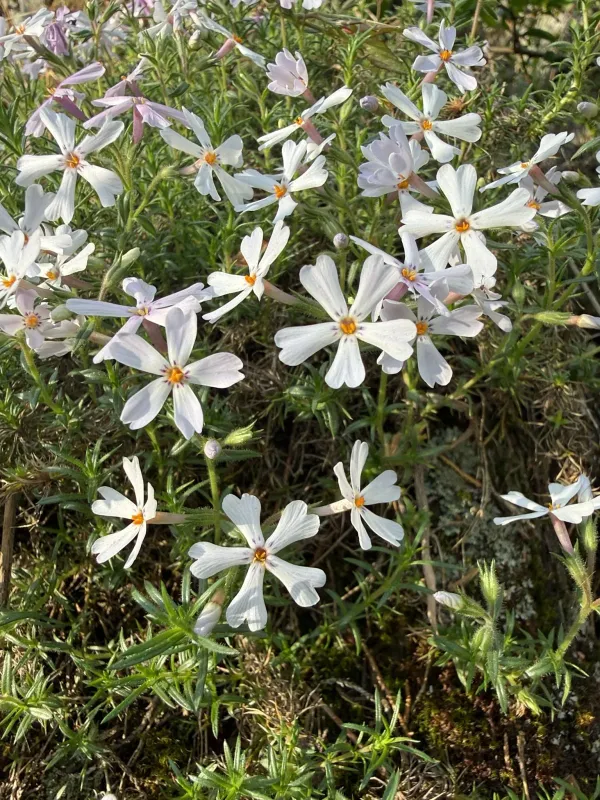
Description
Growing requirements
Phlox subulata L. x Phlox kelseyi Britton is a hybrid perennial groundcover belonging to the Polemoniaceae family. It is widely valued in horticulture for its dense, mat-forming growth habit and early-season floral display.
This plant thrives in full sun locations with well-draining, sandy, or rocky soils. It is highly intolerant of waterlogged conditions, which makes proper site selection or the addition of inorganic soil amendments essential for long-term health.
Botanically, it features needle-like foliage that creates a persistent, green carpet throughout the growing season. The hybrid vigor of the cross between Phlox subulata and Phlox kelseyi results in improved heat tolerance and hardiness compared to pure species.
Regarding climate requirements, this plant is well-adapted to temperate zones, tolerating cold winters as long as the soil does not freeze while saturated with water. It is an excellent choice for xeriscaping or rock gardens where minimal intervention is desired.
Maintenance involves providing adequate space for air circulation and avoiding overhead watering during peak humidity to prevent foliage stress. Light pruning immediately after flowering helps to maintain a compact shape and promotes future vigor.
Main diseases and pests
Powdery mildew is a common fungal threat, particularly in humid climates or where plants are overcrowded. Ensuring proper spacing and keeping foliage dry are the primary cultural methods to manage this infection effectively.
Stem nematodes can be a significant pest, causing stunted growth and distorted, thickened stems. Infected areas should be pruned back or, in severe cases, the entire plant removed and destroyed to stop the spread of the pest.
Spider mites are common in hot, dry weather, often causing the leaves to lose color and eventually turn brown. Regular monitoring during the summer months is crucial for early detection and targeted miticide application.
Root rot, caused by various soil-borne pathogens, usually arises from poor drainage and overwatering. Preventative measures include using a gritty, well-draining soil mix at the time of planting to ensure roots do not sit in standing water.
Garden hygiene is critical for Phlox health. Removing debris at the end of the season reduces the risk of overwintering pathogens and pests, ensuring that the groundcover remains vibrant and healthy for the following year.