
Creeping phlox
Phlox subulata L.
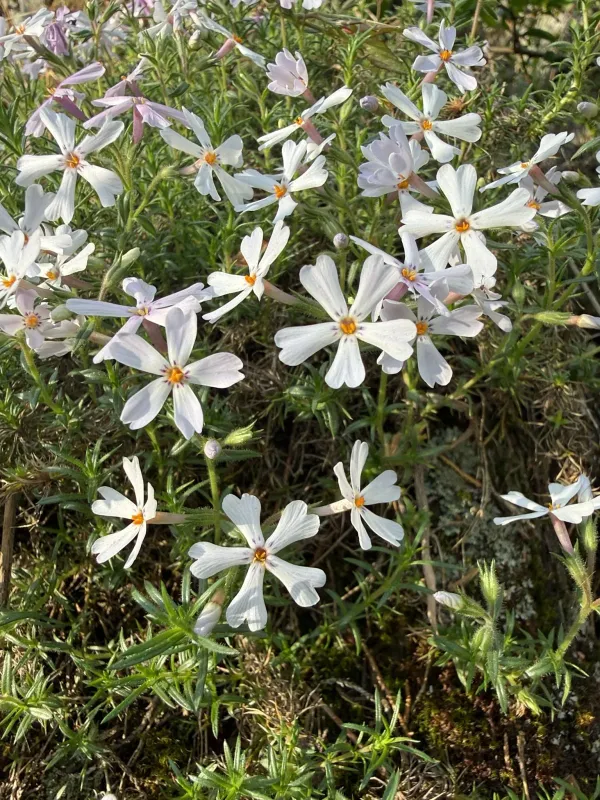
Description
Sowing dates
Creeping phlox is primarily propagated through vegetative methods, including division of mature clumps or taking stem cuttings during the active growing season.
The ideal window for taking cuttings is shortly after the peak flowering period, which allows the plant to focus its energy on rooting before late summer.
Division is best performed in early spring or early autumn, ensuring that the soil is moist and the plant is protected from intense heat during the establishment phase.
When planting in landscape designs, spacing the divisions 10 to 12 inches apart allows the plants to merge into a lush, evergreen carpet within two seasons.
While seed sowing is possible, it requires a cold stratification period of several weeks, making it a less common choice for commercial or home growers compared to clones.
Growing requirements
Belonging to the Polemoniaceae family, this hardy perennial native to North America is renowned for its ability to create dense, vibrant mats in rocky or sandy soils.
The plant thrives in full sun exposure and requires exceptionally well-draining soil, as it is highly susceptible to root rot caused by stagnant water or compacted clay.
It is remarkably adaptable to various USDA hardiness zones, enduring freezing winters and moderate heat, provided it receives sufficient light and proper air movement.
Soil quality should lean towards neutral to slightly acidic pH, and the application of balanced fertilizers should be limited to avoid excessive vegetative growth.
- Full sun for maximum blooming.
- Regular irrigation during establishment years.
- Annual removal of debris to maintain health.
Main diseases and pests
Powdery mildew represents the most frequent fungal issue, typically manifesting as a white dusting on foliage, triggered by humidity and poor circulation around the stems.
Root rot occurs in poorly drained environments, leading to the collapse of individual patches and potential loss of the entire groundcover if left unmanaged.
Stem nematodes are microscopic pests that cause stunted, distorted growth, requiring the total removal and destruction of affected plants to prevent spread.
Spider mites may infest the foliage during hot, arid conditions, causing the leaves to turn yellow or bronzed, which necessitates treatment with appropriate miticides.
Maintaining clear zones between garden plantings and ensuring the soil is free of excess moisture are the primary strategies to mitigate these biological threats.