
Richardson's hybrid phlox
Phlox richardsonii Hook. x Phlox bifida L. C. Beck
Description
Growing requirements
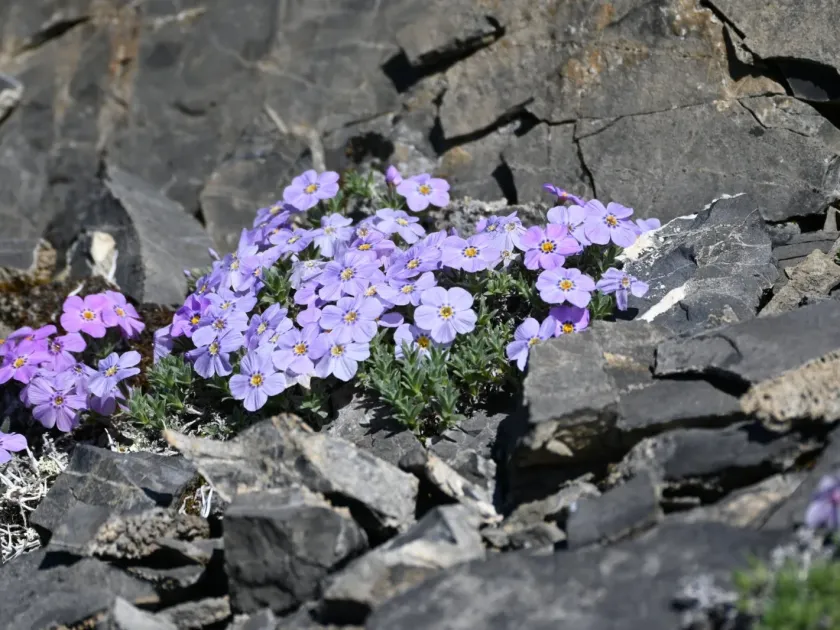
Richardson's hybrid phlox is a compact perennial belonging to the Polemoniaceae family. This hybrid, resulting from the cross between Phlox richardsonii and Phlox bifida, is highly valued for its exceptional winter hardiness and its ability to form dense, cushion-like mounds in garden landscapes.
Native to the harsh climates of North America, this plant is perfectly adapted to cold temperatures and rocky environments. It is frequently utilized in alpine gardens and rockeries due to its sprawling habit and ability to thrive in poor, stony soils where other ornamental plants might struggle to survive.
The success of this culture relies heavily on soil conditions. It requires well-drained, sandy, or rocky soil to prevent water stagnation, which is the primary cause of root issues. If planting in heavy soil, it is essential to incorporate gravel or sand into the planting hole to improve aeration and drainage.
This hybrid phlox is a sun-loving plant that produces the best results when grown in full sun. While it can tolerate partial shade in hot climates, excessive shade will cause the stems to become weak and leggy, reducing the overall density of the plant and diminishing its floral display during the peak season.
Regular maintenance includes moderate watering during the growing season. While established plants demonstrate good drought tolerance, providing supplemental water during prolonged heat spells or the blooming period is recommended to ensure the plant remains vigorous and continues to produce vibrant flowers consistently.
Main diseases and pests
Powdery mildew is a common threat for Richardson's phlox, particularly in humid or stagnant air conditions. This fungal disease creates a white, dusty layer on the foliage, which can weaken the plant and cause significant aesthetic damage if not treated with appropriate fungicides at the first sign of infection.
Root rot is another major risk, typically associated with overwatering or poor drainage. Once roots begin to decay, it is difficult to rescue the plant, so prevention through proper site selection and watering discipline is the most effective approach to managing this persistent agricultural concern.
Nematodes are dangerous soil-borne pests that target the root system, leading to stunted growth and yellowing of the foliage. Infested plants may fail to bloom and eventually decline. Managing soil health and avoiding the introduction of contaminated plant materials are key steps in mitigating this threat.
Aphids and other sucking insects may congregate on the soft new growth of the phlox, extracting essential nutrients and spreading viral diseases. Regular monitoring is necessary, and if populations reach high levels, insecticidal soap or targeted horticultural sprays should be applied to prevent damage.
Sanitation is a vital aspect of disease prevention. Removing dead plant debris and ensuring proper spacing between plants helps improve airflow. Better ventilation reduces humidity around the foliage, which is the most effective natural way to suppress the growth of many common fungal pathogens in the garden.