
Garden phlox
Phlox paniculata L.
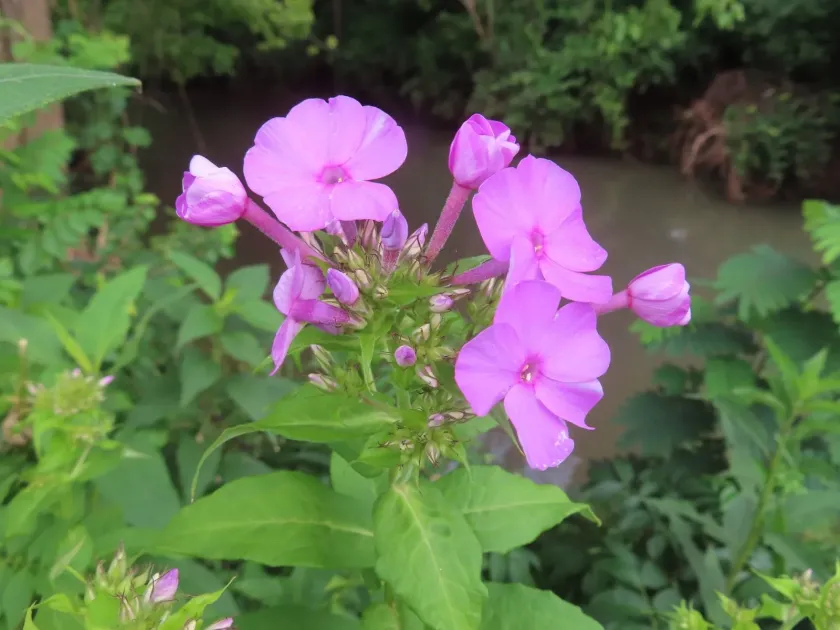
Description
Growing requirements
Garden phlox (Phlox paniculata L.) is a herbaceous perennial belonging to the Polemoniaceae family. Native to eastern North America, these plants typically thrive in moist, nutrient-rich woodland edges and riverbanks where soil moisture is consistently available.
The plant features sturdy, erect stems that grow between 50 and 150 cm tall. Its root system is fibrous and tends to stay in the upper 20 cm of soil, which makes it susceptible to damage from deep cultivation, requiring shallow hoeing or thick mulching instead.
Phlox thrives in fertile, loamy soils that possess a neutral to slightly acidic pH. The soil must be well-drained yet capable of retaining sufficient moisture, as these plants exhibit very low drought tolerance during the peak of the growing season.
Regarding climate, this species prefers sites with full sun to partial shade. In regions with very hot summers, afternoon shade is critical to prevent heat stress and to maintain the intensity of the floral coloration throughout the blooming cycle.
Agrotechnical maintenance requires consistent irrigation, regular balanced fertilization, and the application of organic mulch. Proper spacing of 50–60 cm between plants is essential to ensure adequate air circulation and to reduce the risk of humidity-related foliage issues.
Main diseases and pests
Powdery mildew is the most common fungal ailment affecting garden phlox, manifesting as a white, dusty film on the leaves. It is often triggered by poor ventilation and fluctuating humidity levels, requiring prompt application of fungicides.
Stem nematodes represent a significant threat, causing leaves and stems to become stunted, curled, and brittle. Since they reside within the plant tissues, infested specimens should be immediately removed and destroyed to prevent spreading throughout the site.
Phoma leaf spot and stem rot can occur under excessively wet conditions, weakening the structural integrity of the stems. Preventive measures include thinning out shoots to improve airflow and avoiding overhead irrigation that leaves foliage wet for extended periods.
Leaf-eating insects, such as caterpillars and slugs, may occasionally attack during the early vegetative stage. Monitoring the planting areas regularly allows for timely intervention using biological or chemical pest control methods when necessary.
Verticillium wilt is a soil-borne disease that can lead to rapid plant decline. Maintaining healthy soil structure and avoiding monoculture in the same location for too many years can help mitigate the risk of these soil pathogens.
Harvesting
Phlox paniculata is primarily utilized in ornamental horticulture for garden borders, mixed perennial beds, and landscaping projects. Its high aesthetic value makes it a staple for floral designers and landscape architects looking for late-summer color.
To maximize the decorative effect, gardeners often practice deadheading by removing spent blooms. This prevents the plant from diverting energy into seed production and may stimulate a secondary flush of flowers later in the season.
For cut flowers, stems are harvested when approximately half to two-thirds of the florets have opened. This stage ensures that the flowers continue to develop after harvest, providing a vase life of up to ten days if the water is kept clean.
Winter preparation involves cutting back the dead foliage to within a few centimeters of the ground after the first killing frost. This practice clears away potential overwintering sites for fungal spores and prepares the plant for dormancy.
Propagation is most efficiently achieved through division of mature clumps every 3 to 5 years. Dividing the roots in early spring or autumn reinvigorates the plants, preventing overcrowding and ensuring continued vigor in successive growing seasons.