
Desert beardtongue
Penstemon superbus A. Nelson
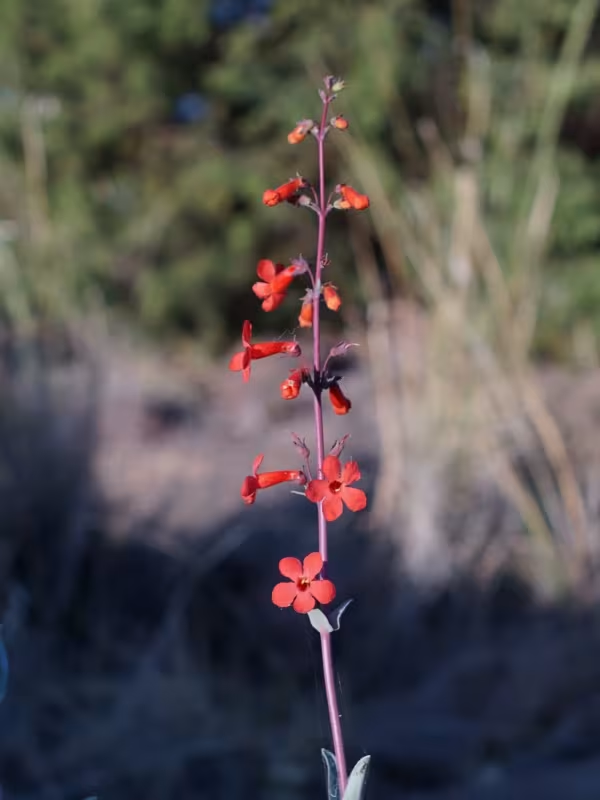
Description
Sowing dates
Seeds of Penstemon superbus require a cold stratification period of several weeks to achieve uniform germination. Sowing should ideally take place in late winter or early spring using a well-draining, sterile seed-starting mix to prevent damping-off diseases during the early development stage.
Surface sowing is recommended as the seeds need light to trigger the germination process effectively. Simply press the seeds into the soil surface without covering them, or use a very thin dusting of fine grit to maintain consistent moisture around the seed coat while allowing light penetration.
Seedlings should be moved to individual pots once they develop the first set of true leaves to provide ample room for taproot development. Avoid over-handling the delicate root systems during transplanting to minimize transplant shock and encourage rapid establishment once placed outdoors.
Hardening off is a vital agricultural step performed over a two-week period to acclimate the plants to external UV levels and fluctuating temperatures. This process strengthens the cell walls and prepares the desert-adapted plants for the full exposure of a garden site.
Field transplanting occurs only after all danger of frost has passed in the spring. Spacing should be kept at 18 to 24 inches apart to ensure proper airflow, which is critical for reducing humidity-related diseases in the foliage of this arid-climate species.
Growing requirements
Penstemon superbus is a hardy perennial belonging to the Plantaginaceae family, native to the arid desert regions of the Southwestern United States. It thrives in conditions characterized by high solar intensity and extremely low relative humidity throughout the growing season.
Soil requirements are strict: the medium must be highly porous and inorganic. Sandy or rocky loam soils are ideal, as they allow for rapid water drainage and prevent the saturation of the crown, which this plant cannot tolerate for extended periods during the growing cycle.
This species is highly drought-tolerant and requires supplemental irrigation only during the establishment phase or extreme, prolonged droughts. Once the root system is fully developed, excessive water will lead to rapid decline and increase susceptibility to environmental stress.
Nutritional needs are minimal, as this plant is evolved to extract sufficient resources from nutrient-poor soils. Excessive fertilization, especially with nitrogen, will lead to weak, succulent stems that are prone to lodging and may significantly reduce the number of blossoms.
Climate tolerance includes the ability to withstand cold temperatures, provided the soil remains dry during winter. In regions with high winter precipitation, creating raised beds or adding significant amounts of gravel to the soil profile is essential to prevent root rot.
Main diseases and pests
Root rot, primarily caused by Phytophthora species, is the most common and devastating disease for this plant. It is almost exclusively the result of poor drainage or over-irrigation, necessitating immediate correction of soil moisture levels to save remaining plants.
Powdery mildew can occur if the plant is grown in areas with stagnant air or high nocturnal humidity. Improving air circulation by pruning surrounding vegetation or increasing the spacing between plants is the most effective cultural method to manage this fungal pathogen.
Aphids represent the primary insect pest, often clustering on the flower spikes and tender stems. Regular monitoring during the budding stage allows for targeted control using horticultural soaps or neem oil, which are less harmful to beneficial pollinating insects visiting the flowers.
Root-knot nematodes are significant pests that cause stunted growth and nutrient deficiencies despite adequate care. Management involves crop rotation or solarization of the soil before planting, as there are few effective chemical controls available for established perennial beds.
Gastropods, including snails and slugs, can be a nuisance for young transplants. Implementing physical barriers like copper tape or crushed eggshells around the base of the plant can deter these pests without requiring the application of toxic chemical pellets near the root zone.