
Beardlip penstemon
Penstemon barbatus (Cav.) Roth
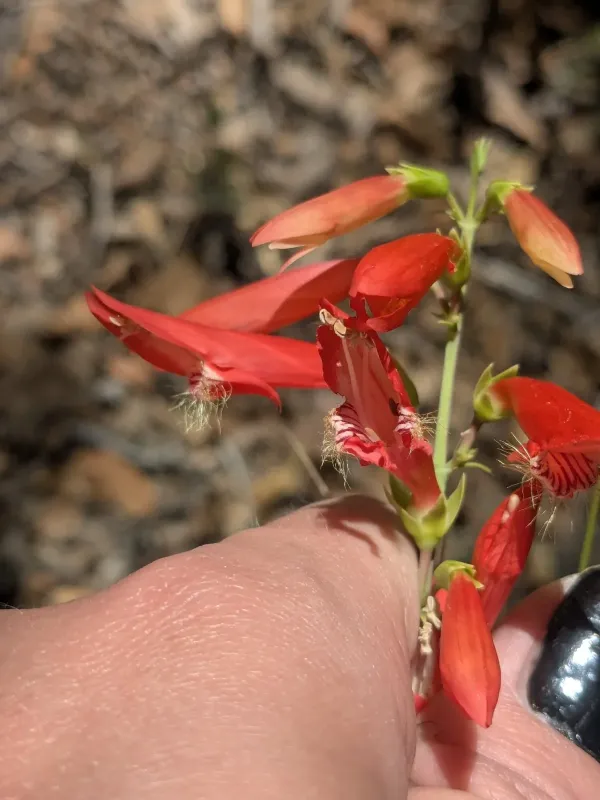
Description
Sowing dates
Seeds of Penstemon barbatus should be sown in late winter, typically in February or March, to prepare seedlings for the spring planting season. Cold stratification is highly recommended to improve germination rates significantly.
When sowing in trays, use a well-draining sterile medium. Seeds must be surface-sown or covered with a very thin layer of fine soil, as they require ambient light to stimulate the physiological processes of germination.
If direct sowing is preferred in warmer climates, seeds should be sown in the autumn. This allows the natural freeze-thaw cycles to break dormancy, ensuring robust growth when temperatures rise in spring.
After reaching the stage of two or three true leaves, seedlings need to be hardened off gradually before being transplanted into the open field to prevent transplant shock.
Space the plants approximately 12–16 inches apart to allow for proper airflow, which is critical in preventing foliage diseases in dense planting schemes.
Growing requirements
The beardlip penstemon is a member of the Plantaginaceae family and originates from the rocky mountain slopes of North America. It is naturally adapted to survive in harsh conditions with limited water availability.
The plant demands full sun exposure to maintain its structural integrity and reach its full flowering potential. Shade-heavy environments typically result in weak stems and reduced floral production.
Soil requirements are strict regarding drainage. Sandy or rocky substrates with a neutral to slightly alkaline reaction are preferred. Heavy, waterlogged soils usually lead to root decay.
While the species is drought-tolerant once established, deep irrigation during the early growth stages is necessary to develop a healthy root architecture capable of sustaining the plant through dry spells.
Mulching with organic matter is recommended in cold climates to protect the crown of the plant from extreme temperature fluctuations during the winter dormancy period.
Main diseases and pests
Root rot is the most common physiological threat caused by excessive soil moisture and poor drainage. Ensuring that the crown remains dry is essential for long-term survival.
Powdery mildew may manifest as a white film on the leaves during stagnant, humid weather. Maintaining adequate space between plants is the most effective cultural method to mitigate this issue.
Pests such as aphids and spider mites can attack the succulent new growth of the penstemon. Integrated pest management, including natural predators, is suggested before applying chemical solutions.
Slugs and snails can cause significant damage to young seedlings. Providing physical barriers or using non-toxic bait is standard practice in fields where pest populations are high.
Root-knot nematodes can weaken the plants over time, often leading to nutrient deficiencies. Rotating crops and using clean, disinfected soil for pots is the primary preventive measure.
Harvesting
Harvesting for floral production or seed collection is typically done in mid-to-late summer. For cut flowers, harvest spikes when the lower buds on the stalk are just starting to open.
To ensure high seed yields, harvest the capsules once they turn brown but before they dehisce and scatter their contents. Store seeds in cool, dry conditions for the next growing season.
Cut back the stems after the main bloom phase to stimulate potential secondary flowering and to improve the overall appearance of the plant before autumn.
Regular sanitation, such as removing spent flowers and dead foliage, helps keep the plant vigorous and reduces the incidence of overwintering pathogens in the field.
Clean tools with an alcohol solution after each harvest session to prevent the cross-contamination of potential diseases between different plant rows or sections.