
Penstemon bradburyi
Penstemon bradburyi Pursh
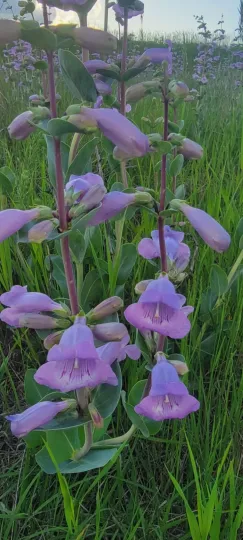
Description
Sowing dates
Sowing seeds of Penstemon bradburyi is best carried out in the autumn for winter sowing or in early spring after the seeds have undergone a stratification process. These seeds require exposure to cold temperatures to trigger germination, mimicking their natural growth cycle in the wild.
For container sowing, use a lightweight, well-draining substrate amended with sand. The seeds should be sown shallowly, as they require light to germinate, so they should be covered only lightly with vermiculite or a fine layer of the growing medium.
The optimal temperature for germination is between 15 and 20 degrees Celsius. Seedlings typically emerge 3 to 4 weeks after sowing, provided that consistent moisture is maintained and there is no water stagnation in the pots.
Pricking out of the seedlings is performed once two pairs of true leaves have formed. Young plants exhibit slow initial growth, so it is crucial to provide them with ample diffused sunlight to support the development of a robust root system.
Transplanting the hardened-off seedlings into the garden should occur once the danger of frost has passed. Spacing between plants should be at least 30 to 40 centimeters to ensure adequate air circulation and to reduce the risk of pathogen outbreaks.
Growing requirements
Penstemon bradburyi is a perennial herbaceous plant belonging to the Plantaginaceae family. Native to North America, it naturally thrives in open, sunny environments featuring rocky or sandy soils that are inherently low in nutrients.
The plant has strict requirements for drainage, as its root system is highly susceptible to rot caused by waterlogged soil. Areas with a slight slope or raised garden beds are ideal to prevent moisture accumulation during the winter dormancy period.
This species prefers locations with full sun exposure for the majority of the day. In partially shaded areas, the flower stems tend to become leggy, and the overall vigor of the plant, along with the intensity of its flowering, will significantly decline.
The soil should ideally be poor to moderately fertile with a neutral to slightly alkaline pH. Heavy clay soils must be amended with coarse sand, gravel, or perlite to improve aeration and prevent the root crown from rotting.
In terms of climatic adaptation, Penstemon bradburyi shows excellent resistance to drought once the plants are fully established. While it can handle some temperature fluctuations, it may require light winter protection, such as dry mulch, in extremely cold regions.
Main diseases and pests
The primary threats to this culture are fungal diseases triggered by high humidity levels. Root rot and powdery mildew are the most common issues, particularly when the plants are grown in areas with poor ventilation or stagnant air.
To prevent the spread of infections, it is essential to follow the recommended spacing guidelines and avoid overcrowding. Regular weeding and the prompt removal of spent flower stalks help minimize the risk of pest infestation and disease buildup.
Pests such as aphids and spider mites may occasionally appear, especially during hot, dry seasons. Control is typically achieved through the application of systemic insecticides or biological control agents as soon as the first signs of leaf damage appear.
Monitoring the health of the root crown is critical, as this is the most vulnerable part of the plant during the transition between seasons. Preventive fungicide treatments in early spring can significantly lower the risk of decay following snowmelt.
- Ensure perfect soil drainage.
- Perform timely sanitary pruning of damaged shoots.
- Monitor the plant crown during periods of high ambient humidity.