
Penstemon barbatus x Penstemon heterophyllus
Penstemon barbatus x Penstemon heterophyllus
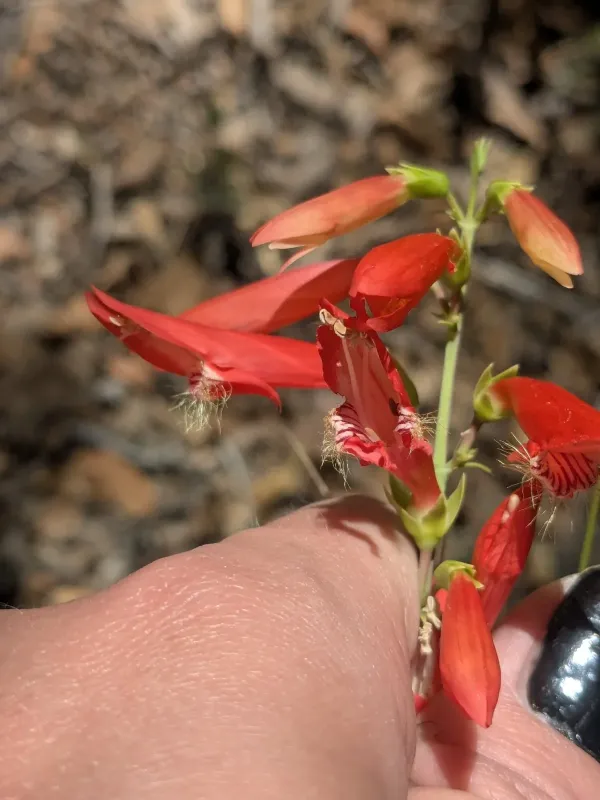
Description
Sowing dates
Sowing seeds of the Penstemon barbatus x heterophyllus hybrid is best performed in the autumn or early spring after a mandatory cold stratification period.
For optimal germination, seeds should be kept at temperatures between +2 and +5 degrees Celsius for approximately six weeks before sowing.
Use a light, well-draining seed-starting mix to ensure that the delicate seedlings develop a healthy root system without suffering from rot.
Seeds should be covered with only a very thin layer of substrate, as light is beneficial for the emergence of the young shoots.
Once the seedlings reach the stage of two or three true leaves, they can be carefully transplanted into individual pots to strengthen before final planting.
Growing requirements
This hybrid, belonging to the Plantaginaceae family, requires a site with full sun exposure to thrive and produce its signature vibrant floral display.
Soil conditions are critical for success; the plant demands excellent drainage, preferring gritty or sandy soil types to prevent moisture stagnation.
The ideal soil pH is slightly neutral or alkaline, which supports the efficient uptake of essential micro and macronutrients for vigorous growth.
While the plant is relatively drought-tolerant once established, regular and moderate watering is necessary during the active flowering season.
Adequate air circulation around the foliage is essential to prevent microclimates that encourage the development of fungal infections.
Main diseases and pests
Fungal diseases, particularly root rot and powdery mildew, are the most frequent health issues encountered when cultivating these hybrids.
Excessive humidity in the root zone is the primary cause of decay, making the proper management of soil drainage and watering schedule vital.
Insects like aphids and spider mites can occasionally attack the tender new growth, especially during periods of hot and dry weather conditions.
Proactive management involves regular scouting for early signs of infestations and the immediate application of appropriate fungicides or insecticides.
Maintaining a clean garden environment by removing dead plant debris helps significantly in reducing the overwintering sites for pests and pathogens.
Harvesting
The primary horticultural value of this plant is its ornamental use in borders, rock gardens, and as a high-quality cut flower for arrangements.
The stems are robust and long-lasting, which makes them highly desirable for professional floral design and domestic bouquets.
Harvesting for cut flowers should ideally occur early in the morning when the blossoms are just beginning to open to ensure maximum vase life.
Deadheading spent flowers is a recommended practice, as it redirects the plant's energy towards producing new blossoms throughout the summer.
For winterizing, it is recommended to cut back the foliage to the base and provide a layer of organic mulch to protect the crown from freezing temperatures.