
Penstemon Hybrids
Penstemon Hybrids
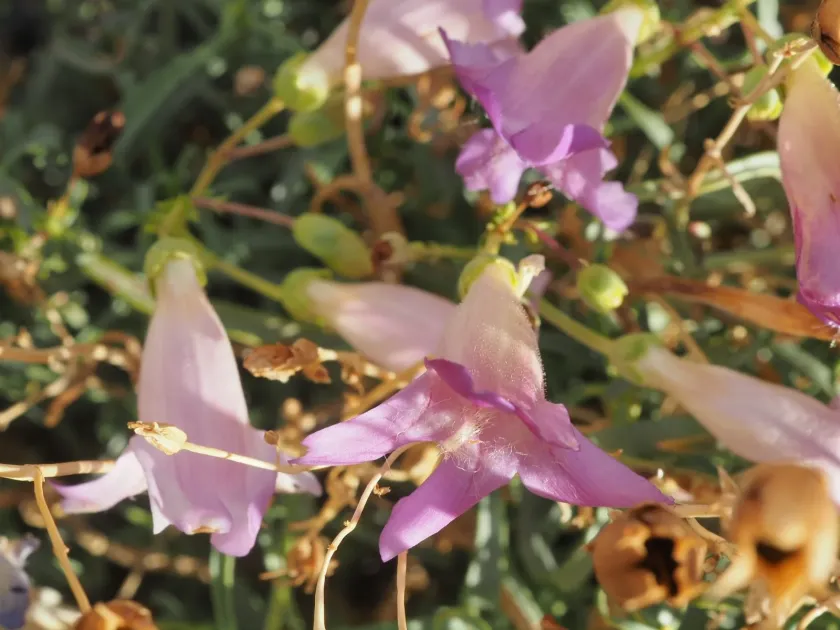
Description
Sowing dates
Seeds of Penstemon hybrids should be sown indoors in late February or early March to ensure the plants bloom in their first year. Cold stratification of the seeds at temperatures between 0 and 5 degrees Celsius for four weeks is essential to break dormancy.
When sowing in open ground, it is recommended to wait until the danger of spring frost has completely passed. The seeds are very small and should be sown on the soil surface, requiring light to germinate properly.
Seedlings need bright, indirect light and consistent soil moisture during the initial growth phase. Once the plants reach the two-leaf stage, they should be pricked out into individual containers to develop a robust root system before transplanting outdoors.
Belonging to the Plantaginaceae family, these hybrids are popular for their vivid, tubular flowers. During planting in the garden, ensure a spacing of 30 to 40 centimeters to prevent overcrowding, which is a major factor in plant stress.
After transplanting, it is crucial to harden off the seedlings by gradually exposing them to outdoor conditions over a week. This preparation helps the young plants adapt to fluctuating temperatures and wind exposure.
Growing requirements
Penstemon hybrids thrive in full sun and require well-drained soil to remain healthy. High light intensity is crucial for the development of strong, erect flower spikes and vibrant coloration of the petals.
The soil must be sandy or loamy and possess an excellent drainage system, as waterlogging is the primary cause of plant death. It is recommended to add gravel or coarse sand to heavy soils before planting to improve aeration.
Regular but controlled irrigation is required, allowing the soil to dry out slightly between waterings. Excessive moisture, especially during the colder months, can lead to root rot and other fungal diseases.
Fertilization should be kept light; a balanced, slow-release fertilizer applied in early spring is sufficient for most garden soils. Excess nitrogen leads to excessive vegetative growth at the expense of flower production.
Winter care includes mulching the base of the plant with dry organic material to protect the root zone from extreme frost. In colder climates, covering the plants with fleece or spruce branches is recommended for survival.
Main diseases and pests
Root rot is the most serious threat, usually caused by poorly drained soil or excessive rain. Affected plants show rapid yellowing and wilting, often leading to the eventual death of the entire root crown.
Powdery mildew appears as white, dusty spots on the foliage during periods of high humidity and poor airflow. Proper spacing and the application of fungicides help to maintain the health of the foliage throughout the season.
Aphids are common pests that feed on the tender tips of the flower spikes. A gentle but firm spray of water or the use of mild insecticidal soap can be effective in controlling these infestations without harming the plant.
Spider mites can become a problem in hot, dry conditions. Keeping the plants hydrated and maintaining high humidity around the base of the plant can discourage these pests from settling on the leaves.
Garden hygiene is vital; removing dead foliage and spent flower stems helps prevent the buildup of pathogens. This practice also promotes better air circulation, reducing the risk of recurrence for various pests and diseases.