
Hybrid Penstemon (P. palmeri, P. parryi, and P. superbus crosses)
Hybrids between Penstemon palmeri and Penstemon parryi and Penstemon superbus
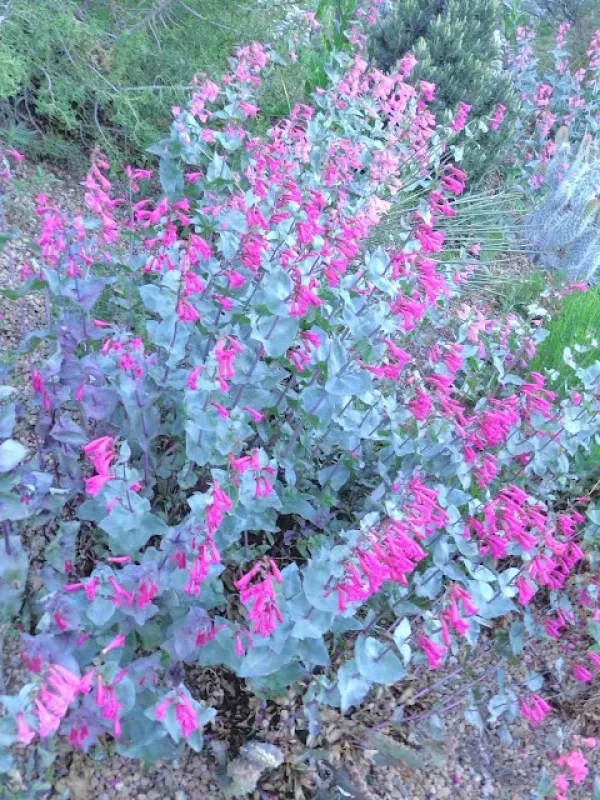
Description
Sowing dates
Sowing hybrid Penstemon seeds is most effective in late winter or early spring using a seed tray. The seeds typically require a cold stratification period of several weeks to break dormancy and trigger germination.
Use a well-draining, grit-heavy potting mix to prevent moisture-related issues during the seedling stage. Seeds should be sown thinly and pressed lightly into the surface, as they require light to germinate effectively.
Maintain consistent temperatures around 18-20°C and ensure the seedlings receive adequate light to prevent leggy growth. Once the first true leaves appear, transplant the seedlings into individual containers.
Acclimatize the young plants to outdoor conditions over a week before final planting. Choose a site with full sun exposure to ensure strong, compact growth of the flower stalks.
Spacing is critical for these hybrids; allow at least 40-50 cm between plants to facilitate airflow. Proper spacing significantly reduces the risk of fungal infections in humid climates.
Growing requirements
These hybrids are members of the Plantaginaceae family and are genetically adapted to arid environments. They thrive in rocky, poor, and fast-draining soils that mimic their natural habitat.
The most important cultural requirement is perfect drainage. If the soil in your garden is clay-heavy, consider planting on raised beds or berms to ensure water moves away from the crown of the plant.
These plants are highly drought-tolerant once established and generally require minimal supplemental watering. Overwatering is the most common cause of failure in this ornamental crop.
Provide a neutral to slightly alkaline soil pH for optimal nutrient uptake. Avoid heavy fertilization, as an excess of nitrogen will result in soft, weak growth prone to lodging and disease.
Gravel or crushed rock mulch is highly recommended as a top dressing. This practice keeps the foliage away from soil moisture and helps regulate soil temperature.
Main diseases and pests
Root rot is the most significant threat to hybrid Penstemons, often caused by excessive irrigation or poor soil structure. Once root rot sets in, it is difficult to remediate, so prevention is key.
Powdery mildew may occur if air circulation is poor or humidity levels remain high for extended periods. Thinning out neighboring plants can improve airflow and reduce the incidence of this fungal disease.
Aphids can occasionally cluster on the flower spikes, draining the plant's resources. In most cases, these can be managed by a strong spray of water or localized application of insecticidal soap.
Slugs and snails may attack young plants, particularly during cool, moist spring weather. Protective barriers such as copper tape or a perimeter of sharp grit can deter these pests effectively.
Regular maintenance, including the removal of spent flower stalks, helps keep the plant healthy and prevents potential issues with seed-born diseases or rot in the remaining foliage.