
Penstemon hartwegii
Penstemon hartwegii Benth.
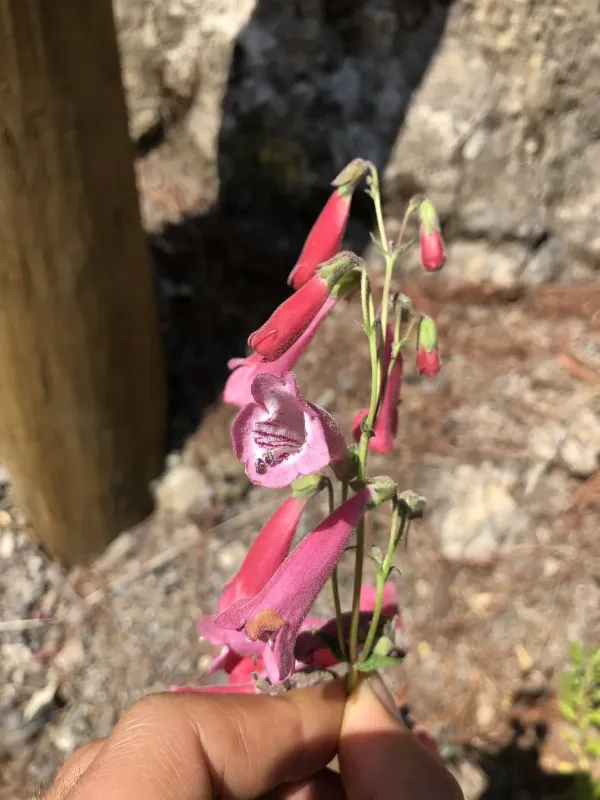
Description
Sowing dates
Sowing seeds of Penstemon hartwegii is typically done in late winter to early spring. Pre-chilling or cold stratification of the seeds for about 3–4 weeks greatly improves germination uniformity and success rates.
The seeds should be sown on the surface of a light, well-draining potting mix. Covering them with a very thin layer of vermiculite helps maintain adequate moisture around the seeds while allowing necessary light exposure for sprouting.
Maintaining a temperature of around 20°C (68°F) is essential for successful seedling development. Once the seedlings have reached a manageable size, they should be transplanted into individual small pots to strengthen their root systems.
Gradual acclimatization, or hardening off, is necessary before planting the young plants in the open garden. This process takes about 7–10 days, progressively exposing the plants to outdoor temperatures and light.
Planting outdoors should occur only after the danger of frost has passed. Ensure a spacing of at least 30 cm between plants to allow for sufficient air circulation, which is vital for the health of this species.
Growing requirements
Penstemon hartwegii, belonging to the Plantaginaceae family, is a stunning ornamental species native to the mountains of Mexico. It thrives in sunny locations with well-drained, nutrient-rich soil that mimics its natural habitat.
The plant demands high levels of sunlight to bloom effectively and maintain its vibrant colors. Shady locations will lead to weak stems and a significant reduction in the quantity of its characteristic tubular flowers.
Watering should be balanced: while the plant appreciates moisture during the growing season, it absolutely cannot tolerate waterlogged soil. Good drainage is the most important factor in keeping the plant healthy over several years.
Occasional fertilization with a balanced, slow-release fertilizer is beneficial during the spring growth phase. Avoid excessive nitrogen, as it promotes foliage growth at the expense of floral development.
In regions with harsh winters, this plant is often treated as an annual or requires significant winter protection. Providing a thick layer of mulch around the base and covering the foliage can help the plant survive mild frosts.
Main diseases and pests
Fungal diseases, particularly powdery mildew and root rot, are the most significant threats to Penstemon hartwegii. These conditions are usually triggered by high humidity levels and poor soil aeration.
Root rot is almost always fatal, making proper watering habits the primary defense. If a plant shows signs of sudden wilting despite moist soil, it is usually a symptom of deep-seated root issues that are difficult to remedy.
Pests such as aphids and spider mites can infest the plants, particularly during dry spells or if the plant is under stress. These insects feed on the sap and can lead to stunted growth and discolored leaves.
Early intervention is key when dealing with pest infestations. Using insecticidal soaps or neem oil is often sufficient for minor outbreaks, while more severe cases may require systemic insecticides.
Cultural control measures, such as removing dead flower stalks and old foliage, help reduce the breeding ground for pests and pathogens, keeping the garden environment healthy and productive.