
Rocky Mountain penstemon
Penstemon strictus
Description
Sowing dates
Sowing seeds of the Rocky Mountain penstemon is typically conducted in the late autumn for winter dormancy or in the spring following cold stratification.
To ensure high germination rates, seeds should be kept in a cold and moist environment for approximately 4 to 8 weeks before being sown into the soil.
For greenhouse production, sowing should start in late winter to ensure strong seedlings are ready for transplanting once the risk of frost passes.
Seeds should be sown very shallowly, as they require light to stimulate the germination process effectively in the early stages.
Once seedlings have developed their first true leaves, they should be hardened off gradually before being planted into their permanent garden location.
Growing requirements
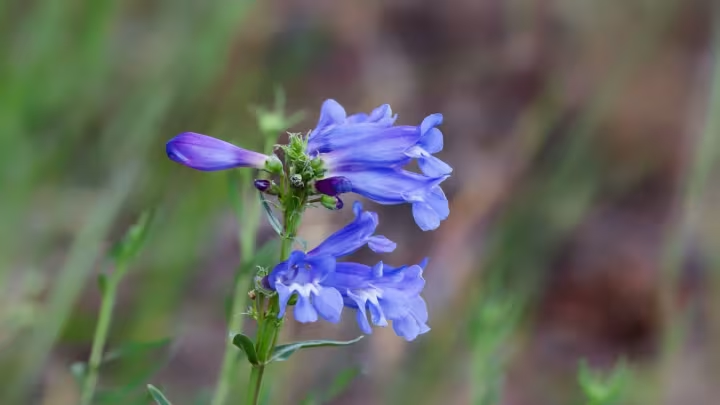
The Rocky Mountain penstemon belongs to the Plantaginaceae family and is recognized for its impressive spikes of blue-violet flowers.
This species thrives in well-drained, gritty, or rocky soils, which mimic its native habitat in the mountain ranges of the western United States.
It is exceptionally drought-tolerant and performs best in locations that receive full sun exposure throughout the entire day for optimal blooming.
Adaptability to a wide range of poor soil qualities makes it an excellent choice for low-maintenance landscaping and erosion control projects.
The plant demonstrates significant hardiness, capable of surviving harsh winters provided that the soil drainage is sufficient to prevent root rot.
Main diseases and pests
The primary threat to the health of this culture is root rot, which typically develops in heavy, waterlogged soils or areas with poor air circulation.
Powdery mildew can occasionally affect the foliage, especially in climates with high humidity or poor ventilation during the summer months.
Slugs and snails can cause considerable damage to the young foliage in the spring, which may necessitate the use of physical or chemical barriers.
Cultural control methods such as maintaining adequate spacing between plants are essential to prevent the spread of fungal pathogens in dense plantings.
Regular monitoring of the leaf surface and base of the stem is recommended to catch pest infestations or early signs of disease before they spread.