
Penstemon barettiae
Penstemon barettiae
Description
Sowing dates
Seeds of Penstemon barettiae require a cold stratification period to break dormancy. Sowing should ideally take place in late autumn, allowing the seeds to experience natural winter conditions before spring germination.
For container sowing, use a well-draining grit-based compost. Surface sow the seeds and cover them with a very thin layer of fine sand. Keep the pots in a cool, bright area, ensuring they stay moist but never waterlogged during the stratification phase.
Once the stratification period ends, move the containers to a warmer spot with temperatures around 15–18°C. Germination usually occurs within a few weeks; monitor closely for the appearance of cotyledons to ensure they receive sufficient light.
Seedlings should be pricked out once they develop their first set of true leaves. Use individual deep pots to accommodate the developing taproot system, which is characteristic of the species and crucial for its future survival.
Hardening off is essential before transplanting to the garden. Place the pots outdoors for increasing periods over a week to help the young plants adapt to fluctuating environmental conditions and ultraviolet radiation.
Growing requirements
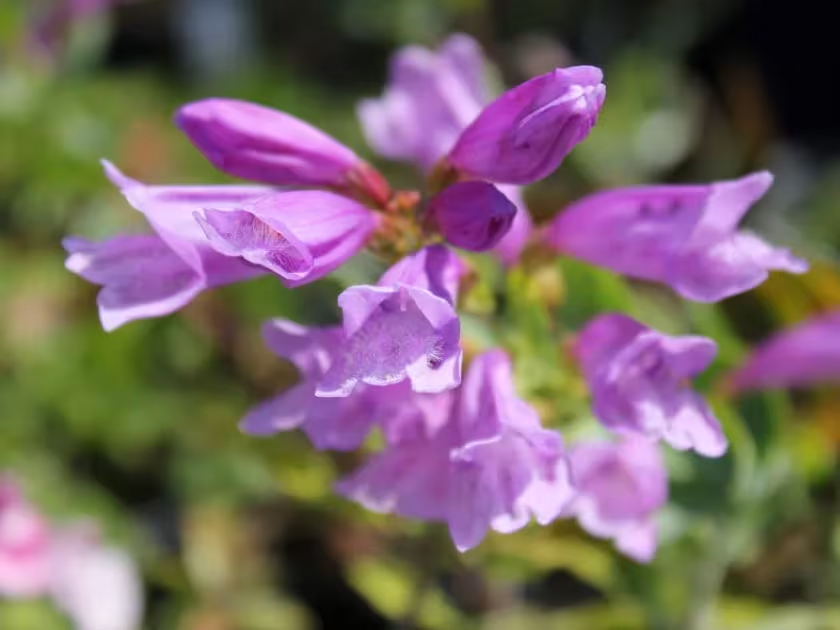
Penstemon barettiae is a member of the Plantaginaceae family and is native to the Columbia River Gorge in the Pacific Northwest of the United States. It is prized for its leathery, glaucous foliage and vibrant purple flowers.
The species thrives in lean, rocky soils. In garden settings, it is essential to mimic these conditions by choosing a site with excellent drainage. Raised beds or rock garden crevices are ideal for preventing crown rot.
Full sun exposure is a non-negotiable requirement for this plant. It requires high light intensity to maintain its compact form and produce the abundant flowering spikes that make it a favorite for xeriscaping.
As a drought-tolerant perennial once established, it requires minimal supplemental irrigation. Overwatering, especially during the dormant season, is the fastest way to cause root decay in this species.
Apply a layer of granite grit or pea gravel around the base of the plant. This mulch serves two purposes: it prevents winter moisture from sitting against the crown and suppresses weed growth in the immediate vicinity.
Main diseases and pests
Root rot is the most significant threat to the survival of Penstemon barettiae. It is almost always a result of poor soil drainage or excessive irrigation during periods of high humidity or low temperatures.
Powdery mildew can affect the foliage if there is insufficient air movement around the plant. Ensuring adequate spacing between neighboring plants is the most effective cultural method to prevent the spread of fungal spores.
Aphids may occasionally congregate on the tender flower buds during the spring. While they rarely kill established plants, heavy infestations can reduce floral display and weaken the plant's overall vigor.
Slugs and snails may attack seedlings or new growth after spring rains. Keep the area around the plants clean and free of decaying debris to minimize the cover available for these garden pests.
General plant health is the best defense against pests and diseases. Providing the correct amount of sun, excellent drainage, and avoiding high-nitrogen fertilizers will help maintain a resilient and long-lived specimen.