
Penstemon caespitosus
Penstemon caespitosus
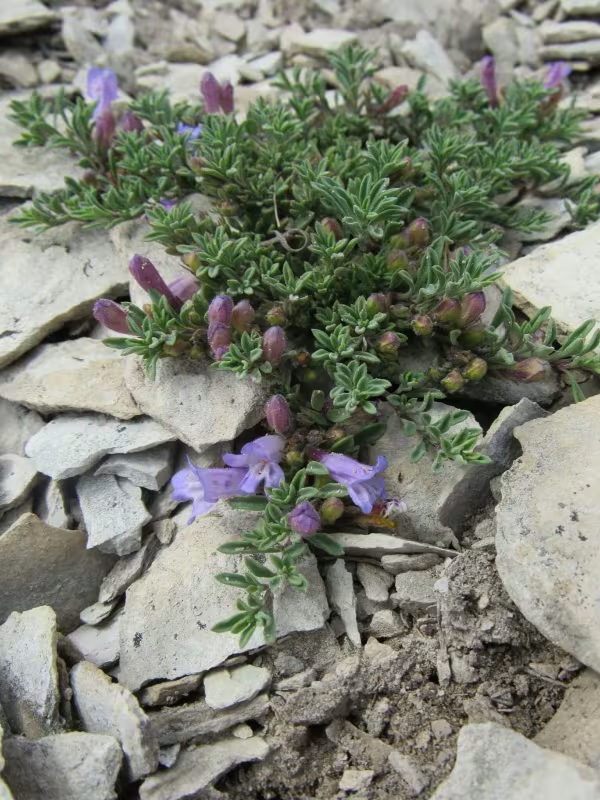
Description
Sowing dates
Sowing Penstemon caespitosus seeds typically requires a cold stratification period to break dormancy and ensure consistent germination rates in the spring.
For best results, sow seeds in late autumn to allow natural winter temperatures to prepare the embryos for growth when the soil warms up.
If sowing indoors, utilize seed trays filled with a highly permeable gritty substrate and keep them in a cold frame or refrigerator for at least six weeks.
Vegetative propagation is commonly performed using semi-hardwood cuttings taken in late summer, which are then rooted in a sand-based medium.
Once established, the seedlings or cuttings should be transplanted into their permanent outdoor locations during the temperate spring season.
Growing requirements
Penstemon caespitosus is a charming mat-forming perennial belonging to the Plantaginaceae family, native to the rocky, arid habitats of North America.
This species thrives in full sun exposure, which is essential to maintain its compact, low-growing habit and promote abundant, vibrant flowering.
Soil requirements focus on excellent drainage; sandy, gritty, or rocky soils are ideal, while heavy clays should be avoided to prevent root rot.
The plant is highly drought-tolerant once established but needs protection from excessive winter moisture, which can cause significant damage to the crown.
Maintenance involves providing good air circulation and occasionally pruning back old flower stalks to encourage fresh, dense growth for the next season.
Main diseases and pests
The most significant threat to mat penstemon is fungal crown rot, which frequently occurs when plants are subjected to stagnant water or overly wet soil.
Powdery mildew may appear on the foliage if the plants are crowded together or if environmental humidity remains high without sufficient airflow.
Insects such as aphids may occasionally attack the tender new growth during the spring, requiring simple monitoring or mild horticultural interventions.
Gastropods like slugs and snails can be problematic for young plants, especially in regions with frequent spring rainfall and cool, damp weather conditions.
Proactive management of drainage and avoidance of organic mulch directly against the plant crown are the most effective strategies for preventing infections.