
Penstemon campanulatus
Penstemon campanulatus
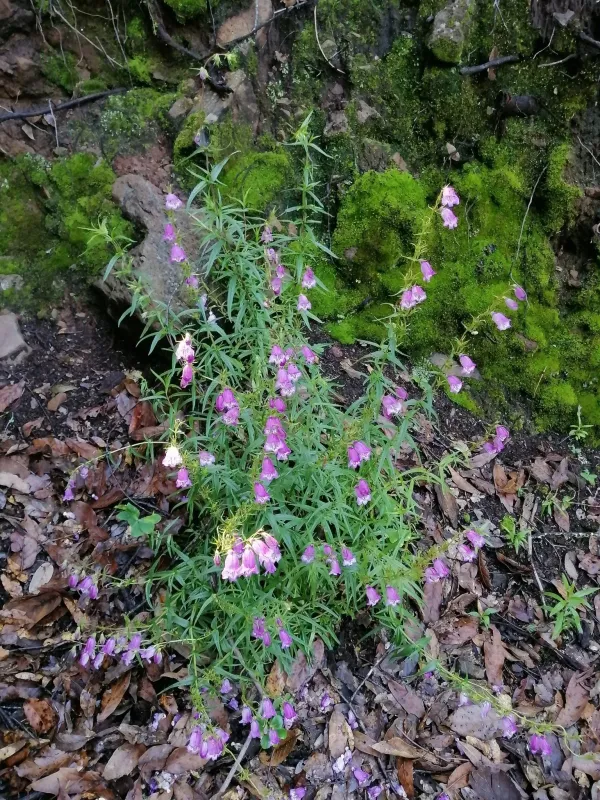
Description
Sowing dates
Sowing Penstemon campanulatus seeds is best performed in late winter or early spring in a controlled environment. Cold stratification for about 4–6 weeks at temperatures around +2 to +5 degrees Celsius is crucial to break seed dormancy and ensure uniform germination.
The seeds should be sown on the surface of a light, well-draining substrate and lightly pressed down without covering, as they require light to germinate effectively. Maintaining a consistent humidity level and a temperature of +18 to +20 degrees Celsius is essential during the initial weeks.
Seedlings should be pricked out when the first true leaves appear, transplanting them into individual containers to allow for root development. This practice minimizes root competition and ensures each plant receives adequate nutrients during the early stages of growth.
Transplanting into the open field occurs once the danger of frost has passed and the soil has sufficiently warmed. Choosing a site with full sun exposure is vital, as this species performs best when its foliage is exposed to direct sunlight for the majority of the day.
Planting density should be kept at 35–40 centimeters apart to allow for proper air circulation. Sufficient spacing is a key agricultural practice to reduce the humidity around the leaf rosettes and mitigate the risk of fungal infections throughout the growing season.
Growing requirements
Penstemon campanulatus belongs to the Plantaginaceae family and is native to the mountainous regions of Mexico and Guatemala. As an alpine-derived species, it demands high levels of sunlight and well-draining soil to maintain its structural integrity and prolific flowering.
The soil must have an excellent drainage profile, as stagnant water is lethal to the root system. Amending heavy soils with sand, grit, or perlite is a standard procedure to prevent root rot and ensure the longevity of the plant in a landscape setting.
The optimal temperature range for active growth is between +18 and +25 degrees Celsius. While it can handle cool weather, it is not tolerant of extreme cold or severe frost without protective measures like mulching or temporary winter shelters in temperate climate zones.
Irrigation should be regular but cautious, targeting the base of the plant to keep the foliage dry. Excess moisture on the leaves, combined with stagnant air, is a primary driver for the development of powdery mildew and other pathogenic fungi.
Fertilization should be balanced, utilizing a slow-release granular fertilizer or a liquid feed during the active growth phase. Avoiding high-nitrogen formulations is recommended to prevent excessive vegetative growth, which can lead to weakened stems and reduced bloom quality.
Main diseases and pests
Powdery mildew is a significant threat, appearing as a white, dusty layer on the leaves during humid or rainy weather conditions. Fungicide treatments are necessary if cultural controls, such as thinning the canopy, prove insufficient to stop the spread.
Root rot, often caused by species of Pythium or Phytophthora, is the most destructive ailment. It is directly linked to poor drainage and overwatering, making the correct selection of soil composition and irrigation frequency the primary defense mechanism against this threat.
Aphids are common pests that colonize young, tender shoots and flower buds, sucking sap and stunting growth. If infestations reach significant levels, application of insecticidal soap or specific systemic insecticides is required to restore plant health.
Spider mites can become problematic in dry, hot weather, causing the foliage to turn yellow or speckled. Regular monitoring of the underside of leaves and maintaining optimal humidity levels help in managing mite populations before they cause severe damage.
An integrated pest management approach, including weed control and the removal of infected plant debris, is essential. Keeping the surrounding area clean prevents the buildup of pathogens and provides a hostile environment for the multiplication of harmful insects.
Harvesting
Harvesting for cut flowers should take place when the lower third of the flower spike is fully open. Cutting the stems in the early morning ensures better water uptake and extends the vase life of the flowers in indoor arrangements.
For seed production, selected flower spikes should be left on the plant until the seed capsules turn brown and begin to dry out. Harvesting should be performed on a dry, sunny day to prevent mold growth during the drying process in a well-ventilated area.
After the harvest, seed pods are threshed and the seeds are cleaned of chaff. Storage in cool, dark, and dry conditions is necessary to maintain high germination viability for subsequent planting seasons, typically lasting up to two or three years.
Deadheading faded blooms is an effective agrotechnical method to encourage a secondary flush of flowers. By removing spent spikes, the plant is prevented from putting energy into seed development and can instead focus on rejuvenation.
Winter preparation involves cutting back the foliage to a few centimeters above the soil level after the first frosts. Applying a layer of protective mulch, such as straw or bark, provides insulation for the crown and rootstock, ensuring survival in regions with harsh winters.