
Narrowleaf penstemon
Penstemon angustifolius
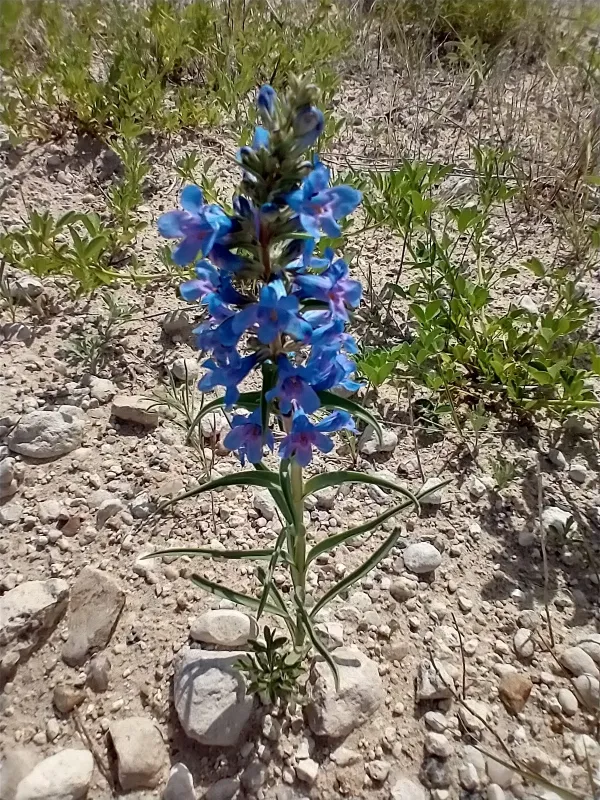
Description
Sowing dates
Sowing Penstemon angustifolius seeds is best performed during late autumn or winter to allow for cold stratification, which significantly improves germination rates. When planting indoors, seeds should be kept in a cool environment for several weeks before starting.
Seeds require light to germinate, so they should be sown on the surface of the growing medium without heavy covering. A light, fast-draining substrate composed of sand and grit is ideal for successful propagation.
Germination can be irregular, requiring consistent monitoring of moisture levels in the tray. Maintaining temperatures between 15 and 20 degrees Celsius provides the best conditions for sprout development.
Seedlings should be hardened off and transplanted into the garden only after the danger of frost has passed in late spring. Proper spacing of 30–40 centimeters is essential for air circulation and long-term health.
Choose a location with full, direct sun exposure for the best results. Insufficient sunlight will cause the plant to stretch, weaken, and lose its characteristic compact form.
Growing requirements
Narrowleaf penstemon is a member of the Plantaginaceae family, native to the sandy prairies and rocky soils of North America. It is highly adapted to arid conditions and struggles in heavy, fertile soils.
Excellent soil drainage is the most critical requirement for this species. It performs best in poor, sandy, or rocky soils with neutral to slightly alkaline pH, where it does not compete with heavy vegetation.
Climate adaptability is strong regarding heat and drought, but the plant is sensitive to winter moisture. Protecting the crown from waterlogged conditions during the dormant season is vital for survival.
Watering should be minimal and restricted to extreme drought periods. Once established, the root system is highly efficient at extracting moisture, making additional irrigation largely unnecessary.
Fertilization is rarely needed and can often be detrimental. Avoid organic matter or high-nitrogen fertilizers, as they encourage lush, weak growth that is prone to disease and pest infestation.
Main diseases and pests
Root rot is the most common threat to Penstemon angustifolius, primarily caused by excessive moisture and poor soil aeration. Preventing water from pooling around the root crown is essential.
Powdery mildew may occur if the plants are situated in areas with poor airflow or high humidity. Thinning out foliage or spacing plants correctly helps mitigate this fungal risk.
Aphids and spider mites are common pests that may attack during hot, dry spells. Regular inspection is recommended, and if populations explode, organic insecticidal soaps can be applied.
Soil-borne larvae and pests can damage the underground parts of the plant, especially if the site is not well-drained. Mulching with inorganic materials like gravel helps protect the stems.
Prompt removal of infected or decaying plant matter is necessary to stop the spread of fungi. Keeping tools clean and disinfected helps prevent cross-contamination in the garden.
Harvesting
The primary use of narrowleaf penstemon is in landscape gardening, particularly in xeriscapes, rock gardens, and naturalistic wildflower plantings that prioritize water conservation.
Seed collection should take place in dry conditions once the seed capsules turn brown and begin to split. Harvested seeds must be dried thoroughly before being stored in cool, dark environments.
This species is highly valued for its striking tubular flowers and unique foliage color, serving as a magnet for bees, butterflies, and other essential pollinators in the ecosystem.
Pruning spent flower stalks after the bloom cycle improves the appearance of the plant and prevents unwanted self-seeding, which can lead to crowding in specific garden areas.
For decorative floral use, cut flower stems in the late bud stage. This practice encourages a longer life for the cut flowers and allows the plant to focus energy on root development.