
Penstemon albertinus
Penstemon albertinus
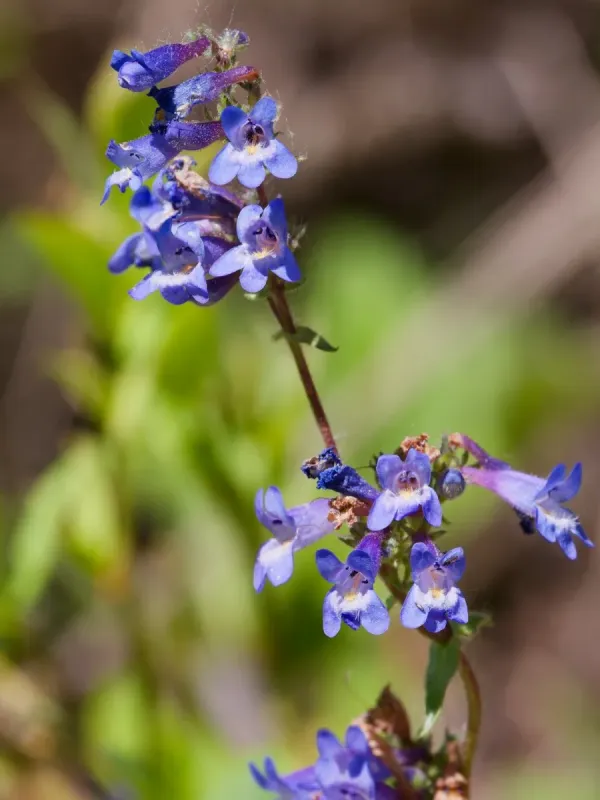
Description
Sowing dates
Sowing seeds of Penstemon albertinus is typically done in early spring after the threat of frost has passed. For better results, many gardeners choose to start seeds indoors in late winter to extend the growing season.
The seeds require a period of cold stratification to break dormancy. Placing the seed trays in a refrigerator at temperatures between 0 and 5 degrees Celsius for about six weeks is the most effective method.
The germination substrate should be light, well-draining, and sandy. Spread the seeds on the soil surface without covering them deeply, as light is often required for germination in this genus.
Maintain a temperature of approximately 20 degrees Celsius during the germination phase. Keep the soil consistently moist but never waterlogged to ensure the health of the tender seedlings.
Once the risk of harsh cold has passed, transplant the young plants into their permanent garden location. Ensure enough space is provided between plants to allow for healthy air circulation as they mature.
Growing requirements
Penstemon albertinus is a member of the Plantaginaceae family, native to mountainous regions. It is highly valued in horticulture for its upright growth habit and vibrant, tubular-shaped flowers.
This species thrives in full sun, which is essential for developing strong stems and a profusion of blooms. In partial shade, the plant often becomes leggy and produces fewer flowers.
Soil requirements focus on excellent drainage; these plants detest heavy, wet soils. A sandy, rocky, or gravel-rich soil profile is ideal for mimicking their natural alpine habitat.
The plant is relatively drought-tolerant once established. However, regular watering during the first growing season helps build a strong root system, which is vital for long-term survival.
Winter protection is recommended in regions with extremely low temperatures and little snow cover. Applying a layer of mulch around the crown can prevent damage from repetitive freeze-thaw cycles.
Main diseases and pests
Root rot is the most common threat to Penstemon albertinus, usually caused by overwatering or soil that does not drain quickly. If the leaves begin to wilt unexpectedly, examine the root crown immediately.
Aphids and spider mites are potential pests that can weaken the plant by feeding on its sap. Regular monitoring of the undersides of the leaves is advised during the peak growing season.
Powdery mildew can occur during humid periods with poor airflow. Maintaining proper spacing between plants is the best cultural practice to prevent fungal issues from spreading through the bed.
Removing spent flower stalks after the blooming period is finished helps the plant conserve energy and reduces the risk of diseases taking hold in decaying organic matter.
Avoid excessive use of high-nitrogen fertilizers, as this promotes rapid, weak growth that is more susceptible to both pest infestations and environmental stress.