
Penstemon serrulatus
Penstemon serrulatus
Description
Sowing dates
Penstemon serrulatus seeds typically require a period of cold stratification to germinate successfully. It is recommended to sow seeds outdoors in late autumn, allowing the winter cold to naturally break dormancy, or to replicate these conditions in a refrigerator for 4–6 weeks before spring sowing.
When starting indoors, use a well-draining seed starting mix and place the trays in a cool area. Once the seedlings develop their first true leaves, they should be hardened off before being transplanted into the garden once the threat of frost has passed.
The planting site should be chosen carefully, prioritizing spots with full sun or light afternoon shade. Proper spacing of approximately 30–40 cm is essential to allow for good airflow and to minimize the risk of moisture-related diseases later in the season.
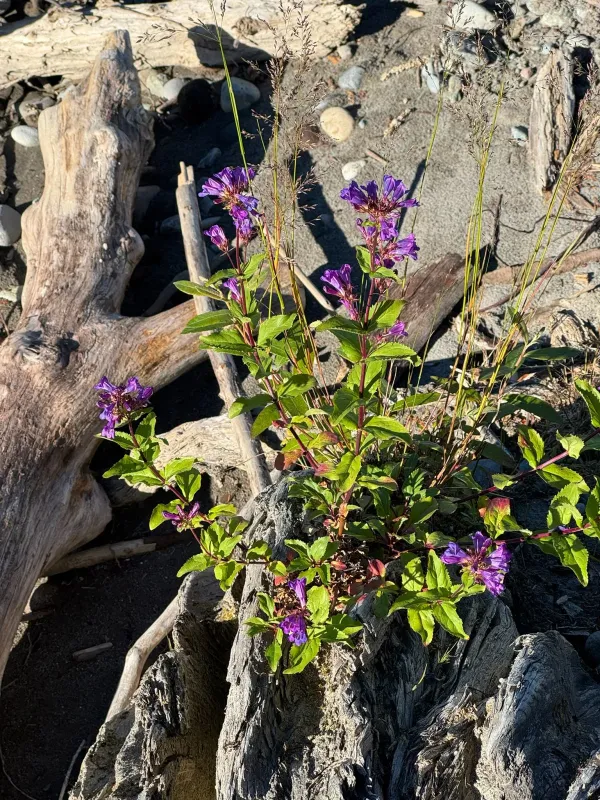
This species belongs to the Plantaginaceae family and is recognized for its unique, serrated leaf margins. It serves as an excellent addition to borders and rock gardens, offering striking blue to violet floral displays during the summer months.
As a hardy perennial, it establishes a sturdy root system given the right environment. Successful establishment depends on consistent moisture during the first few weeks after transplanting into the garden soil.
Growing requirements
The primary soil requirement for Penstemon serrulatus is excellent drainage. While the plant can tolerate a range of soil types, it performs best in gritty, rocky, or sandy loams that do not retain excess water, which could lead to root decay.
Regarding moisture, the plant is relatively drought-tolerant once fully established. However, regular watering during dry spells will encourage more vigorous growth and more abundant blooms throughout the main flowering season.
Fertilization should be handled with care. A balanced, slow-release fertilizer applied once in the spring is usually sufficient to support plant health. Excessive nitrogen should be avoided as it leads to weak, leggy stems rather than robust flowers.
Mulching is beneficial for temperature regulation and soil moisture retention, but it should be applied carefully. Keep the mulch away from the plant crown to ensure the base remains dry and to prevent potential fungal issues.
Climate adaptability is a key strength of this plant, but it still benefits from a protective layer of mulch or brush in regions experiencing extremely harsh winters to protect the crown from extreme freezing cycles.
Main diseases and pests
Fungal diseases like powdery mildew and leaf spot are the most frequent threats, especially in humid or stagnant air conditions. Improving site ventilation and avoiding overhead irrigation are the most effective preventive measures.
Slugs and snails can be problematic, particularly for young, tender transplants. Maintaining a clean garden area and using physical barriers or organic bait can help protect the plants from significant leaf damage during the growth phase.
Root rot is almost always the result of poor drainage or overwatering. If the soil remains saturated for long periods, the plant may wilt despite adequate soil moisture, signaling that immediate drainage correction is needed.
Aphids might cluster on the flower stalks, causing distortion and reduced vigor. If infestations become severe, horticultural soap or neem oil can be used to manage the population while minimizing harm to the local environment.
Regular inspection of the foliage and stems is recommended throughout the growing season to catch early signs of pest pressure or disease, allowing for timely intervention and healthy plant development.