
Rydberg's Penstemon
Penstemon rydbergii
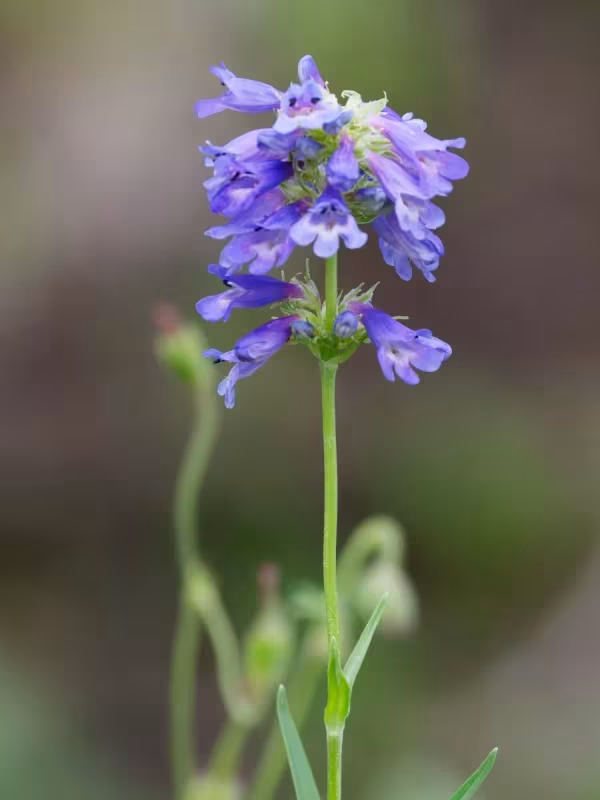
Description
Sowing dates
Sowing Rydberg's Penstemon is most successful when done in the autumn, allowing the seeds to undergo natural stratification through winter temperatures. This perennial member of the Plantaginaceae family requires a chilling period to break dormancy effectively.
For spring sowing, artificial stratification is necessary. Place the seeds in a moist medium within a refrigerator at a temperature of +2 to +4 degrees Celsius for at least six to eight weeks before moving them to a warmer environment.
Seeds should be sown on the surface of the soil with minimal covering, as light is a critical trigger for germination. Pressing them lightly into the surface ensures good seed-to-soil contact without burying them too deeply.
Once seedlings have developed their first set of true leaves, they should be pricked out into individual pots. This practice promotes a strong and branched root system, which is essential for the plant's long-term survival in the garden.
Transplanting into the permanent garden site is best performed when the risk of heavy frost has passed. Ensure a spacing of about 30 to 40 centimeters to prevent overcrowding and to promote healthy air circulation around the foliage.
Growing requirements
Rydberg's Penstemon is native to the mountainous regions of Western North America and thrives in well-drained, sandy, or rocky soils. A high-drainage site is the most important factor to prevent root rot.
Full sun exposure is required for the plant to maintain its compact growth habit and produce abundant flowers. Shade will result in weak, leggy stems and a significant reduction in blooming performance throughout the season.
This species is exceptionally cold-hardy, adapted to high-altitude climates. However, it is sensitive to damp conditions during the winter months, so planting on raised beds or slopes is recommended to ensure water runoff.
The irrigation needs are relatively low once the plant is established. It is drought-tolerant, but supplemental water may be needed during prolonged dry spells to maintain plant vigor during the peak growing season.
Soil fertility should be kept at a moderate level. Over-fertilizing, particularly with high-nitrogen products, can lead to excessive foliage growth at the expense of floral development and shorten the plant's lifespan.
Main diseases and pests
Powdery mildew is a common threat, particularly in regions with high humidity. Ensuring proper spacing between plants helps minimize the risk by allowing for efficient evaporation of moisture from the leaf surfaces.
Root rot is the most common cause of plant failure, usually triggered by poor drainage or over-irrigation. Adding grit or coarse sand to the planting hole significantly improves the longevity of the plant in heavy soil conditions.
Aphids can occasionally colonize the flower spikes during the late spring. While usually not fatal, heavy infestations can disfigure the flowers, making early intervention with organic soap-based insecticides beneficial.
Nematodes are less common but can cause localized damage to the roots, leading to a decline in plant health. Avoiding contaminated soil and maintaining high plant vigor are the best defensive strategies against these pests.
Sanitation is key to managing health: removing spent flower stalks and clearing debris from the base of the plant during the dormant season prevents the accumulation of pathogens and pests.