
Rock penstemon
Penstemon rupicola (Piper) Howell
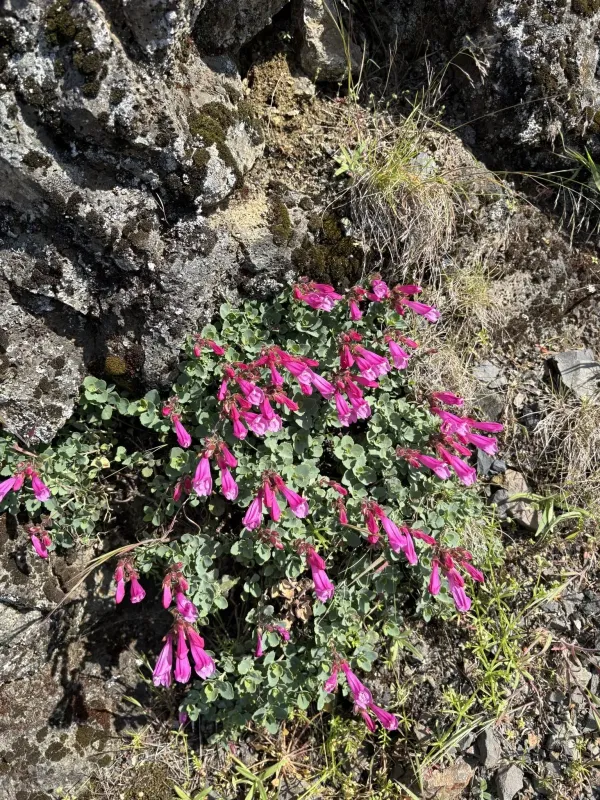
Description
Sowing dates
Sowing seeds of Penstemon rupicola is most successful when done in autumn, allowing the seeds to undergo natural cold stratification. This process is essential for breaking dormancy and achieving uniform germination in the early spring months.
If sowing indoors, seeds require a period of artificial cold stratification. Place the seeds in a moist substrate inside a sealed bag and store them in a refrigerator at approximately +4 degrees Celsius for at least 8 to 10 weeks before moving them to room temperature.
The seeds should be sown on the surface of a fine, well-draining seed-starting mix. Because they require light to germinate, do not bury them deeply; a very thin dusting of fine grit or sand is sufficient to hold the seeds in place without blocking light access.
Maintain consistent humidity by covering the tray with a clear plastic dome or glass. Once germination begins, provide bright indirect light and sufficient air circulation to prevent the damping-off of young seedlings, which are quite fragile.
Transplanting to their permanent location should be done carefully to preserve the root ball. Choose a site with excellent drainage, such as a slope or a rockery, to mimic the plant's native natural environment and ensure healthy establishment.
Growing requirements
Rock penstemon, scientifically known as Penstemon rupicola, is a member of the Plantaginaceae family. It is a classic alpine species native to the rocky cliffs and mountain slopes of the Pacific Northwest, valued for its brilliant pink to deep rose-red flowers.
This species demands full sun exposure to thrive and maintain its compact, woody habit. In environments with inadequate sunlight, the plant tends to become leggy, loses its dense form, and exhibits a significantly reduced flowering capacity.
The soil requirement is non-negotiable: it must be rocky, gritty, and exceptionally well-draining. The plant is perfectly adapted to poor, mineral-rich soils and will suffer immediately if planted in heavy, water-retentive clay or overly rich garden loams.
As a drought-tolerant perennial, it requires very little supplemental irrigation once established. Deep, infrequent watering is preferable to light, daily watering, which can encourage shallow rooting and make the plant more susceptible to summer heat stress.
Fertilization should be kept to an absolute minimum. Excess nitrogen stimulates rapid, weak growth that is prone to disease and winter damage. A light top-dressing of mineral-based fertilizer in early spring is usually sufficient to support the plant for the entire season.
Main diseases and pests
The most common threat to Penstemon rupicola is crown rot caused by poor soil drainage. If the area remains wet, especially during the dormant winter period, the plant will likely succumb to fungal pathogens that destroy the vascular system.
Powdery mildew can occasionally affect the foliage during humid, stagnant summers. Improving airflow around the plants and avoiding overhead irrigation are the best cultural practices for preventing the spread of this fungal condition.
Pests like aphids may target new, tender growth during the spring. While rarely fatal, heavy infestations can weaken the plant and act as a vector for viral diseases. Use insecticidal soaps or neem oil as a targeted treatment if populations grow large.
Slugs and snails can be problematic for young plants, particularly in wet climates. Placing crushed stone or gravel mulch around the base of the plant creates a barrier that these mollusks find difficult to cross, effectively protecting the crown.
Proper hygiene is vital for maintaining a healthy planting. Regularly remove dead or dying branches to ensure the base of the plant remains dry and free of debris, which minimizes the environment for potential fungal outbreaks.