
Richardson's penstemon
Penstemon richardsonii
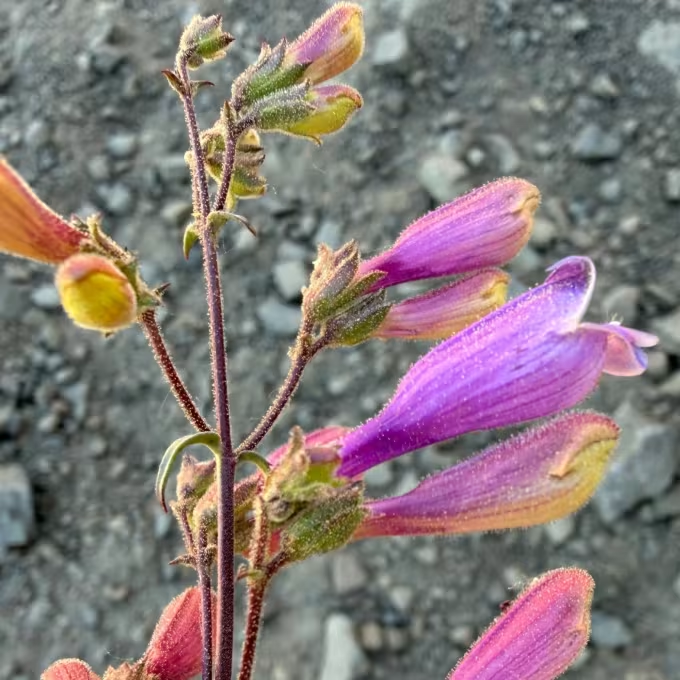
Description
Sowing dates
Sowing Penstemon richardsonii is best performed in the spring once the danger of hard frost has passed, ensuring stable growth conditions.
For more robust plants, starting seeds in flats indoors during late winter is recommended, coupled with a period of cold stratification.
Seeds require light for germination and should be sown on the surface of the soil with only a light dusting of medium or grit.
Transplanting into the garden should occur once the soil has warmed sufficiently, ensuring that the root system is handled with great care.
Good spacing is essential to ensure proper airflow, as seedlings are sensitive to overcrowding and competition from weeds in the early stages.
Growing requirements
Richardson's penstemon belongs to the Plantaginaceae family and is native to the rocky slopes and open woodlands of the Pacific Northwest.
The primary requirement for success is excellent drainage; this plant will not tolerate waterlogged conditions, especially during the dormant winter months.
This species thrives in full sun and prefers gritty, rocky, or sandy soil types that mimic its natural mountainous habitat.
It exhibits strong drought tolerance once established, making it an excellent candidate for xeriscaping or low-maintenance ornamental gardens.
Soil pH should ideally be neutral to slightly alkaline, and excessive fertilization should be avoided to prevent leggy, weak plant growth.
Main diseases and pests
Root rot caused by poorly drained soils or excessive summer moisture is the most common and damaging condition affecting this plant.
Powdery mildew can appear on the foliage in humid, stagnant air environments, necessitating improvements in garden ventilation.
Aphids and spider mites are typical pests, often appearing during hot and dry spells and potentially stunting the development of flower spikes.
Slugs and snails may attack young plants, particularly in early spring, requiring physical barriers to protect the developing tissue.
Regular inspection of the foliage and maintaining proper hygiene in the garden are the best strategies to mitigate these threats naturally.
Harvesting
Seed harvesting should be performed in late summer or early fall when the capsules have turned brown and are starting to dry out.
Deadheading faded flower spikes can encourage a secondary flush of blooms and improve the overall appearance of the plant throughout the season.
If intended for cut flowers, stems should be harvested when approximately one-third of the florets on the spike are fully open.
Post-season maintenance should include leaving the foliage intact through winter to provide protection for the crown of the plant against freezing.
Cleaned seeds should be stored in a cool, dry, and dark environment to maintain viability for the following growing season.