
Penstemon pinifolius
Penstemon pinifolius
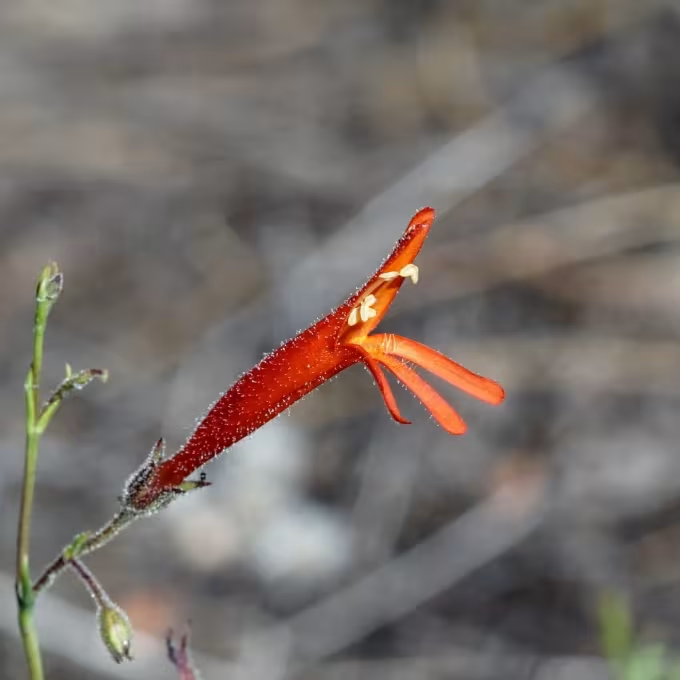
Description
Sowing dates
Penstemon pinifolius is typically propagated via seeds or semi-hardwood cuttings. Sowing seeds in the fall allows for natural stratification, which is essential for successful germination in spring.
If starting seeds indoors, they should be kept in a cold environment for about 4–6 weeks before moving them to a warmer spot. Use a well-draining, sterile potting mix.
Transplanting should be done carefully to avoid disturbing the root system. Once established, these plants prefer to stay in one place and do not appreciate frequent transplanting.
When spacing the plants, allow for 12 to 16 inches between them. This promotes airflow, which is critical for the overall health of the foliage and preventing fungal issues.
For cuttings, select healthy shoots in mid-summer. Treating them with a rooting hormone can increase the success rate when placed in a coarse, sandy medium.
Growing requirements
Belonging to the Plantaginaceae family, this species is native to the arid mountainous regions of Arizona and New Mexico, where it thrives in rocky, well-draining soils.
This plant is highly valued in xeriscaping for its extreme drought tolerance. It requires full sun exposure for at least six to eight hours per day to bloom effectively.
The soil should have excellent drainage; any accumulation of water around the crown will lead to plant decline. It performs best in soils with low fertility and a neutral to slightly acidic pH.
Hardiness is generally good, allowing it to survive in various temperate climates. However, in regions with very wet winters, raised beds or gravel mulching are highly recommended.
Maintenance is straightforward, focusing on minimal irrigation after the plant is established. Over-fertilizing can cause the plant to become leggy and less resilient to environmental stress.
Main diseases and pests
The most common cause of failure in cultivating Penstemon pinifolius is crown rot caused by poorly drained soil during dormant winter months. Constant moisture is the primary enemy.
Fungal diseases like powdery mildew may appear during humid periods with stagnant air. Increasing space between plants and avoiding overhead irrigation can mitigate this risk.
Insects like aphids can occasionally infest new growth. While usually not lethal, they can stunt development. Using neem oil or insecticidal soap is generally effective for control.
The plant should be kept clear of weeds to ensure adequate air circulation. Removing dead growth in late spring helps rejuvenate the plant and keeps it looking tidy.
- Ensure soil drains water rapidly.
- Avoid heavy, clay-based fertilizers.
- Monitor for signs of root rot early.
- Use gravel as a mulch to keep foliage off moist soil.
- Protect young plants from excessive late-season rain.