
Parry's penstemon
Penstemon parryi (A. Gray) A. Gray
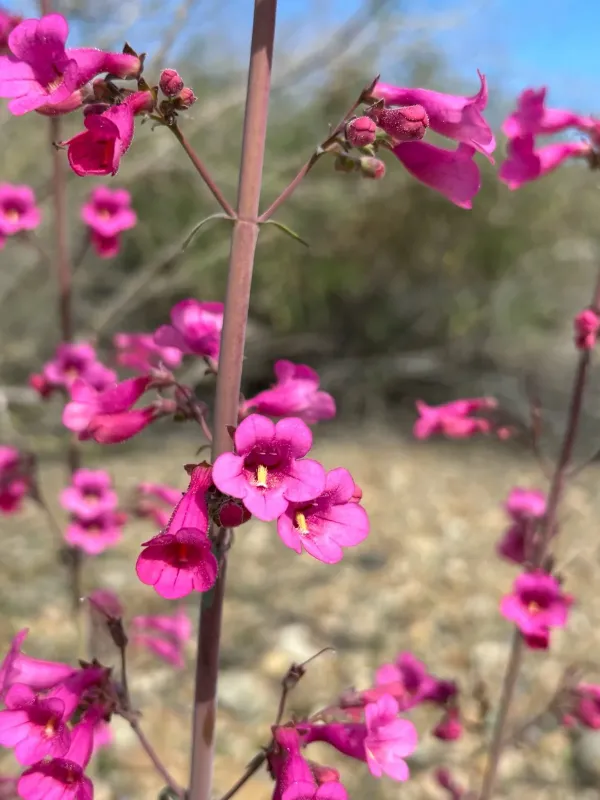
Description
Sowing dates
Parry's penstemon seeds require a period of cold stratification to break dormancy. Sowing directly into the soil in late autumn is the most effective method, as the natural winter temperatures provide the necessary chilling hours for germination.
For indoor propagation, place the seeds in a moist substrate inside a sealed container and refrigerate at approximately 4°C for 6 to 8 weeks. Once stratified, move the containers to a bright area with temperatures around 15–20°C to initiate the sprouting process.
When sowing, cover the seeds with a very light dusting of coarse sand or vermiculite. These seeds are light-dependent, so burying them too deep will significantly reduce germination rates and lead to poor seedling development.
Maintain consistent but not excessive moisture in the seed trays. As soon as the first true leaves emerge, ensure the seedlings have adequate airflow to prevent damping-off, a common fungal issue for delicate desert plant starts.
Transplanting into the permanent garden site should be done in early spring after the danger of frost has passed. Space the plants about 30 to 45 cm apart to ensure proper air circulation as the rosettes mature.
Growing requirements
Penstemon parryi is a member of the Plantaginaceae family, native to the arid desert regions of Arizona and Mexico. This plant thrives in full sun and will become leggy and less productive if planted in partial shade.
The soil must be exceptionally well-drained, ideally sandy, rocky, or gravelly. Heavy clay soils are unsuitable and will likely cause the root crown to rot during the cooler, wetter months of the year.
This species is highly drought-tolerant and requires almost no irrigation once established. Deep, infrequent watering may be beneficial during the first growing season, but thereafter, the plant is well-adapted to natural precipitation cycles.
Avoid excessive fertilization, as nitrogen-rich amendments promote rapid, soft growth that is more susceptible to environmental stress and pests. A low-fertility, mineral-based soil is ideal for maintaining the plant's natural form.
Proper site preparation should include a slight elevation or slope to encourage drainage away from the base of the plant. A top-dressing of small gravel around the crown can help prevent foliage from touching damp soil.
Main diseases and pests
The most common threat to Parry's penstemon is root and crown rot, caused by stagnant water or poor soil drainage. If the leaves begin to wilt while the soil is moist, the plant is likely suffering from fungal root decay.
Powdery mildew may appear on the foliage in late spring if humidity levels are high and air circulation is restricted. Pruning back crowded stems or relocating the plant to a breezier spot usually resolves the problem.
Aphids can sometimes infest the succulent flower stalks during the early spring bloom phase. These pests are generally minor and can be managed with a gentle stream of water or by encouraging beneficial insects like ladybugs.
Slugs and snails can be problematic for young, tender rosettes in the spring. Using a ring of crushed stone or diatomaceous earth around the base of the plant can create an effective physical barrier against these mollusks.
Maintaining a clean garden bed by removing old, dried debris prevents the buildup of fungal spores and keeps the plant canopy healthy throughout the season. Regular monitoring during the active growth phase is key to long-term success.