
Penstemon ovatus
Penstemon ovatus
Description
Sowing dates
Penstemon ovatus seeds require a period of stratification to break dormancy, making fall or early spring sowing the most effective methods. When sown outdoors, the seeds should be covered very lightly, as they need exposure to light to germinate properly.
For indoor propagation, seeds should be sown in late winter in a well-draining sterile potting mix. Keeping the trays in a cool area initially simulates natural conditions and significantly improves germination rates.
Once the seedlings are large enough to handle and have developed their first true leaves, they can be transplanted into individual pots to strengthen their root systems before final outdoor placement.
Hardening off the plants is a crucial step before transplanting into the field or garden. This process involves gradually exposing the young plants to outdoor temperatures over a period of two weeks.
The ideal planting density for this species is approximately 40–50 cm between plants, which allows enough room for the mature foliage to spread and ensures good air circulation to prevent moisture buildup.
Growing requirements
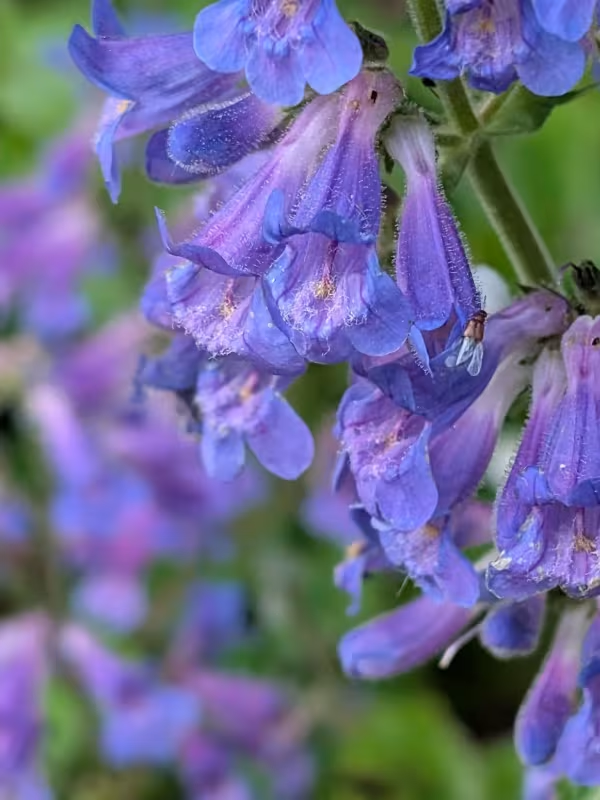
Penstemon ovatus is a member of the Plantaginaceae family, native to the western regions of North America. It is characterized by its broad, ovate leaves and vibrant blue-violet flower spikes that typically appear in late spring and summer.
The plant thrives in sites with full sun to partial shade. In its natural habitat, it is often found in rocky, well-drained soils, meaning that drainage is the single most important factor for success in agricultural or garden settings.
It prefers neutral to slightly acidic soil conditions. If the native soil is heavy clay, amending it with organic matter and horticultural grit is highly recommended to prevent waterlogging and root rot.
Watering should be deep but infrequent once the plant is established. It is highly drought-tolerant, but a consistent supply of moisture during the peak flowering stage will improve the quality and duration of the bloom.
Winter care involves providing a light mulch to protect the crown of the plant from freeze-thaw cycles, especially in climates where soil temperatures fluctuate frequently throughout the winter months.
Main diseases and pests
The most common health issues for Penstemon ovatus are related to excessive moisture. Root rot is a primary concern, typically caused by pathogens thriving in waterlogged, compacted, or poorly drained soil conditions.
Fungal diseases like powdery mildew may appear during humid spells. Proper spacing is the best preventive measure, ensuring that foliage dries quickly after rain and that air can circulate freely around the base of the plant.
Pests such as aphids can occasionally congregate on the tender young flower buds, sapping nutrients and potentially spreading viral infections between plants. Regular inspection is advised.
Gastropods, particularly slugs, pose a significant threat to seedlings. Protecting young transplants with copper tape, organic bait, or keeping the immediate surrounding area free of debris can significantly reduce losses.
Sanitation practices, including the removal of dead foliage at the end of the season, help reduce the overwintering potential of pathogens and keep the planting bed healthy for the next cycle.