
Penstemon nitidus
Penstemon nitidus
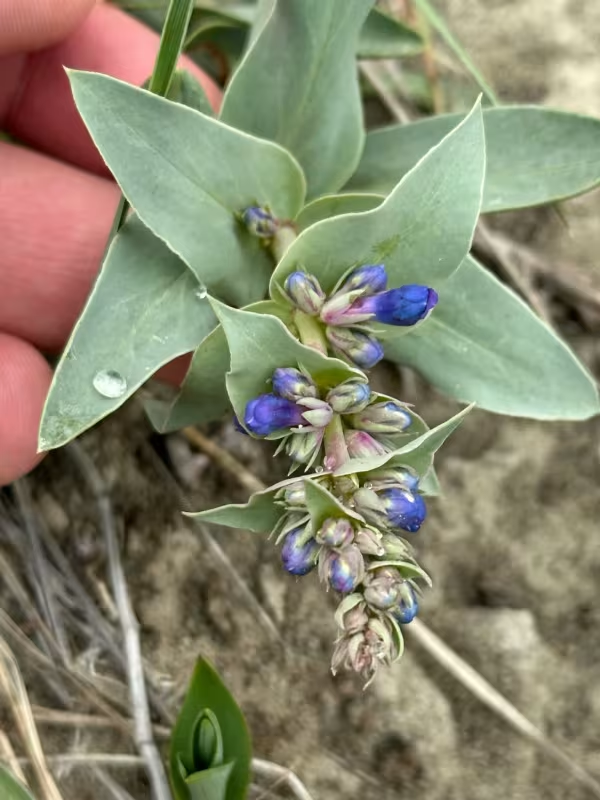
Description
Sowing dates
The seeds of Penstemon nitidus require cold stratification to break dormancy, reflecting their adaptation to mountain and prairie environments. Sowing the seeds in late autumn allows them to undergo this process naturally during the winter months.
For spring sowing, store seeds in a refrigerator at approximately 4 degrees Celsius for at least six weeks. After stratification, surface-sow the seeds in a well-draining seed-starting mix, pressing them gently into the soil as they require light to germinate.
Maintain consistent moisture and a temperature range of 18–20 degrees Celsius. Germination usually occurs within a few weeks; once the seedlings have developed their first true leaves, they can be carefully moved to larger pots.
Transplanting to the permanent location should take place only after the danger of severe frost has passed. Ensure the planting site mimics the drainage of their native rocky slopes to prevent early root development issues.
Proper hardening off is essential before moving indoor-grown seedlings outdoors. Gradually introduce the plants to sunlight and fluctuating temperatures over the course of ten days to ensure robust establishment.
Growing requirements
Penstemon nitidus, belonging to the Plantaginaceae family, is a compact perennial native to North American grasslands and rocky hillsides. It is highly valued for its striking blue to lavender flowers and silvery-green foliage.
This species thrives in full sun and requires very well-drained, lean soil. Heavy, clay-based soils should be amended with grit or sharp sand to improve drainage and mimic the plant's natural arid habitat.
It is remarkably drought-tolerant once established and does not require frequent irrigation. Overwatering or humid environments can lead to root suffocation, so it is safer to keep the soil on the drier side.
The plant performs best in neutral to slightly alkaline soil conditions. Avoid high-nitrogen fertilizers, which promote weak, elongated growth and reduce the plant's natural resistance to cold and environmental stress.
In the landscape, it serves as an excellent specimen for rock gardens, xeric borders, or gravel gardens. It is known to attract various pollinators, particularly bees, which contribute to the ecological value of the planting.
Main diseases and pests
Root rot is the most significant threat to Penstemon nitidus, usually triggered by waterlogged soil or excessive moisture around the crown. Ensuring a fast-draining substrate is the most effective preventative measure.
Powdery mildew can affect the foliage during periods of high humidity and poor air circulation. To manage this, space the plants appropriately to allow for sufficient airflow throughout the canopy.
Aphids and spider mites are common pests that may infest the foliage, particularly during dry, hot weather. Use systemic insecticides or neem oil if infestations become severe, ensuring coverage of the leaf undersides.
Slugs and snails can consume young, tender shoots during the early growth stages. Protecting the crown with a layer of fine gravel or utilizing organic pest control barriers can help mitigate this damage effectively.
Fungal leaf spots may occur in unhealthy conditions; however, keeping the area free of plant debris and removing any infected foliage immediately will help stop the spread of potential pathogens.