
Penstemon newberryi
Penstemon newberryi
Description
Sowing dates
Sowing Penstemon newberryi seeds should be conducted in early spring or autumn to allow for natural stratification in temperate climate zones.
Artificial cold stratification is mandatory for indoor sowing; seeds should be placed in moist media at 2-5 degrees Celsius for at least six weeks.
Seeds are light-dependent for germination, so they must be sown on the surface of the soil and covered only by a very thin layer of sand or grit.
Maintaining a stable temperature of 18-20 degrees Celsius is optimal for consistent germination of these alpine seeds in a controlled environment.
Once seedlings develop their first true leaves, they should be transplanted into individual pots to ensure adequate space for root development before hardening off.
Growing requirements
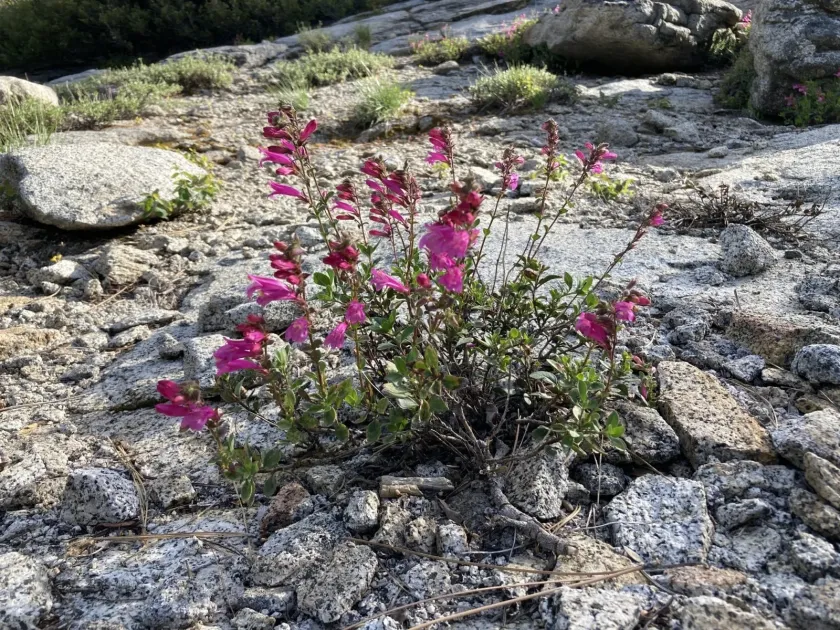
Penstemon newberryi, belonging to the Plantaginaceae family, is a subshrub native to the rocky landscapes and high-altitude regions of the western United States.
The plant demands full sun exposure and extremely well-drained, gritty soil to replicate its natural rocky habitat and prevent root rot issues.
It is characterized by its high drought tolerance and low nutrient requirements, thriving in infertile, fast-draining soils where other perennials fail.
This species is highly valued in rock gardens and containers due to its compact growth habit and vivid, tubular blossoms that attract pollinators.
During the growing season, it is essential to minimize overhead watering to prevent foliage diseases and ensure the longevity of the plant's woody base.
Main diseases and pests
Root rot is the most significant threat to Penstemon newberryi, primarily caused by waterlogged soil during winter or excessively humid summer conditions.
Powdery mildew may manifest as a white film on leaves when air circulation is poor, necessitating better spacing and reduced moisture levels around the plant.
Slugs and snails are common pests that can destroy young seedlings and emerging leaves, requiring physical barriers or organic pest control methods.
Aphids can occasionally colonize flower spikes, leading to stunted growth and malformed blossoms, which can be managed with selective insecticidal soap.
To maintain plant health, it is critical to keep the crown area dry and free from decomposing organic debris that might harbor pathogens and pests.