
Penstemon menziesii
Penstemon menziesii
Description
Growing requirements
Penstemon menziesii is a compact, evergreen subshrub belonging to the Plantaginaceae family. Native to the mountainous regions of western North America, this plant is well-adapted to rocky substrates and harsh alpine environments, making it a robust choice for rock gardens.
The primary requirement for successful cultivation is excellent drainage. The plant thrives in sandy or gravelly soil with a neutral to slightly acidic pH. Avoiding stagnant water is critical, as the root system is highly prone to rot when soil moisture levels remain consistently high.
This species prefers full sun exposure to maintain its compact habit and ensure prolific flowering. While it is hardy in temperate climates, providing a sheltered location protects it from excessive winter moisture and harsh, drying winds that could damage its evergreen foliage.
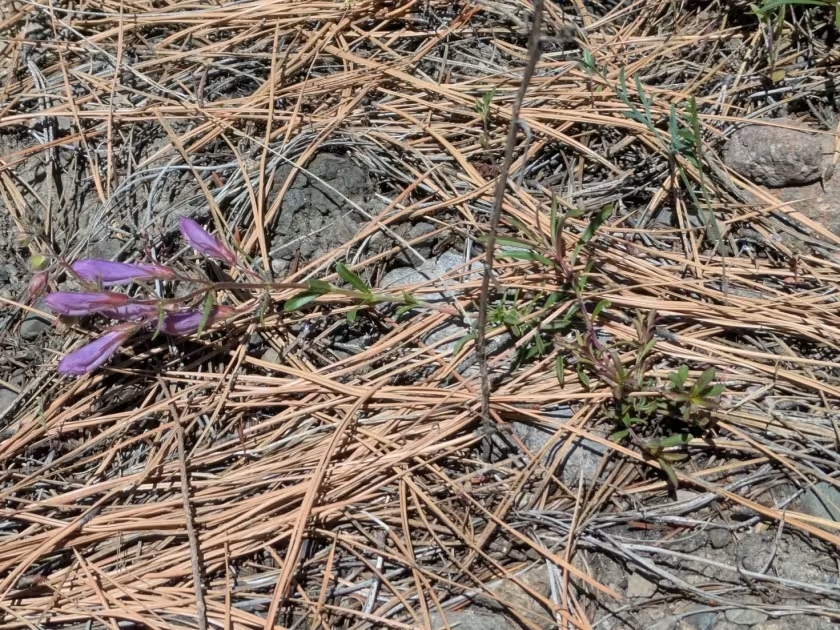
Botanically, Penstemon menziesii forms dense mats of small, leathery leaves, producing trumpet-shaped flowers in shades of lavender to purple. Its slow-growing nature makes it ideal for troughs, alpine rockeries, and dry stone walls where soil resources are limited.
Maintenance involves post-flowering pruning to keep the plant neat and encourage denser growth. Regular fertilization is rarely required in rich soils; however, a light application of a balanced granular fertilizer in early spring can boost vitality if the soil is poor.
Main diseases and pests
Fungal diseases are the most significant threat to Penstemon menziesii, particularly in humid climates. Root and crown rot are common if the soil is poorly drained or if the plant is mulched too heavily with moisture-retentive organic materials.
Powdery mildew can affect the foliage during periods of fluctuating humidity or poor air circulation. Improving airflow around the plants and avoiding overhead watering during late afternoon can significantly reduce the incidence of this fungal issue.
Aphids can infest the tender tips of stems and developing flower buds during the growing season. While usually manageable, large infestations can distort growth and weaken the plant, necessitating the use of horticultural soaps or specific insecticides.
Slugs and snails may feed on the young leaves, especially in early spring when the weather is damp. Using physical barriers like crushed rock or grit around the base of the plant effectively discourages these pests and maintains a dry environment for the crown.
Proactive garden management, including proper site selection and careful monitoring, is the best defense against pests and diseases. By ensuring optimal growth conditions, gardeners can mitigate most risks and enjoy the long-term health of this mountain perennial.