
Smooth beardtongue
Penstemon laevigatus Aiton.
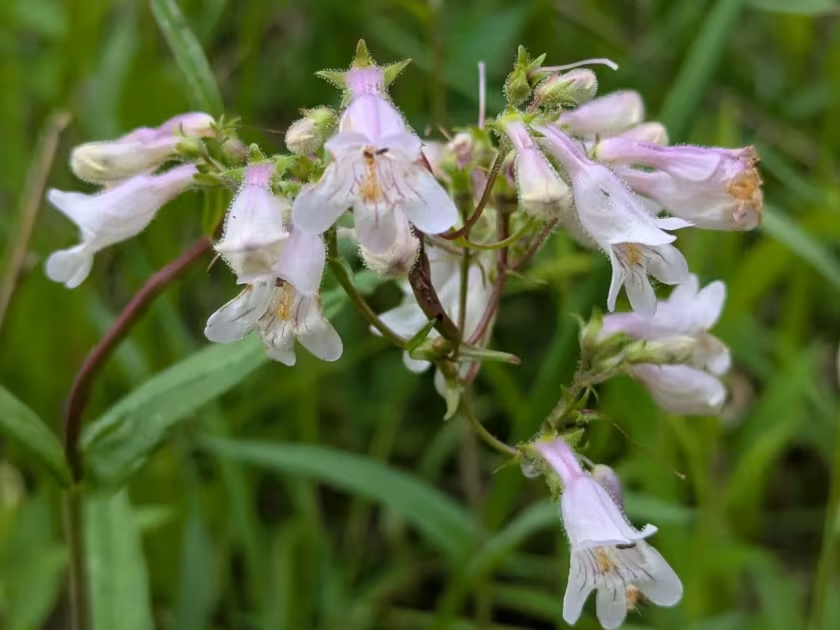
Description
Sowing dates
Sowing seeds of smooth beardtongue directly into the open ground is best performed in late autumn, which allows for natural stratification. If spring sowing is preferred, seeds must be chilled for 1-2 months to improve germination rates significantly.
The seedling method is highly effective for establishing stronger plants before transplanting. Seeds should be sown in a light substrate in March, maintaining moderate humidity and a temperature of 18-20 degrees Celsius until germination occurs.
Seedlings must undergo a hardening-off process before being moved to the permanent site. Transplanting is performed once the danger of frost has passed and temperatures are consistently warm enough for active growth.
Choosing the right location is essential for success. Smooth beardtongue thrives in full sun but can tolerate light shade in regions characterized by extremely hot summer temperatures.
When spacing the plants, it is recommended to keep a distance of 30-40 centimeters between individual specimens. This spacing ensures proper air circulation and reduces the risk of fungal infections.
Growing requirements
The culture belongs to the Plantaginaceae family and is native to the eastern regions of North America. It is naturally adapted to temperate climates that experience adequate moisture levels throughout the growing season.
Smooth beardtongue requires well-drained, fertile loamy soils for optimal development. The pH of the soil should be neutral or slightly acidic to ensure nutrient availability for the plant.
Preventing waterlogging in the root zone is crucial, especially during winter months. A rich humus content in the soil supports more vigorous growth and more abundant, longer-lasting flower displays.
During the active vegetation phase, the plant needs regular yet moderate watering. In drought conditions, it is vital to prevent the root system from drying out completely to maintain the foliage's health.
The plant exhibits good winter hardiness in temperate climates with proper snow cover or light mulch. Applying organic mulch around the base protects the root system from sharp temperature fluctuations.
Main diseases and pests
Root rot is the primary threat to the culture if moisture management is neglected. Overwatering or planting in heavy, clay-based soil creates an ideal environment for pathogenic fungi to attack the roots.
Powdery mildew may affect the leaf surface during periods of high humidity and poor ventilation. If infection is detected, systemic fungicides are recommended to manage the spread of the disease.
Common pests such as aphids and spider mites may infest the tender young shoots. Utilizing appropriate insecticides or miticides, when the infestation threshold is reached, is recommended for effective control.
Soil-dwelling larvae can sometimes damage the root system of younger plants, requiring careful soil preparation and monitoring before planting. Proactive care and maintaining plant vigor are the best defenses.
To prevent the recurrence and spread of diseases, it is essential to remove dead plant material in late autumn and ensure that the growing area remains clean and well-ventilated throughout the season.