
Penstemon laetus
Penstemon laetus
Description
Sowing dates
Seeds of Penstemon laetus require a period of cold stratification for 4 to 6 weeks to break dormancy and ensure consistent germination rates in cultivation.
The optimal sowing time is either in late autumn for natural winter chilling or in early spring, following an artificial stratification process in a refrigerator.
When sowing, the seeds should be surface-sown on a well-draining substrate, as they require light to germinate effectively and should not be buried deeply.
Temperature control is essential; maintaining an ambient temperature of about 18–20 degrees Celsius supports the development of healthy, vigorous seedlings.
Once the risk of frost has passed, transplanting the seedlings into their permanent garden location ensures they establish a strong root system before the heat of summer.
Growing requirements
Penstemon laetus, a member of the Plantaginaceae family, originates from the western regions of North America, where it thrives in rocky, arid landscapes.
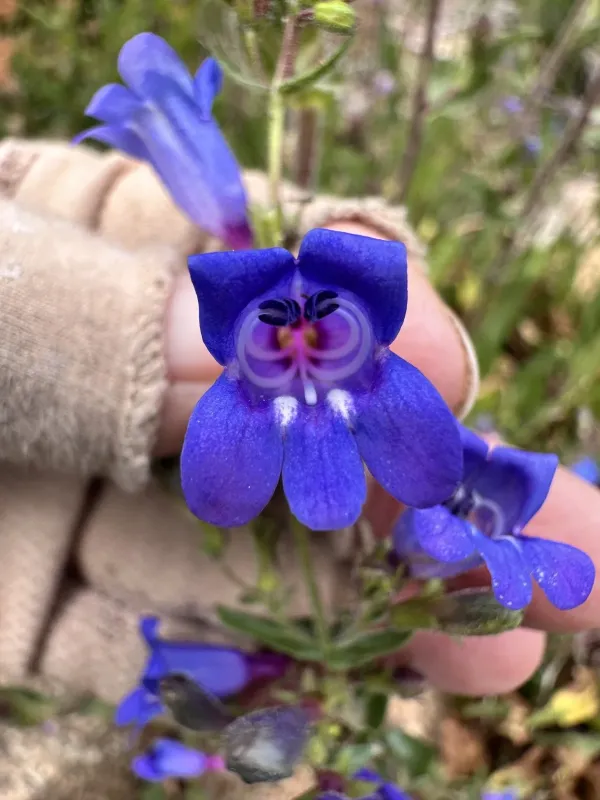
The plant exhibits notable botanical traits, including lanceolate, glaucous leaves and vibrant, deep blue to violet tubular flowers that bloom in late spring.
Regarding soil preferences, it requires extremely well-draining, gravelly, or sandy soils to prevent the accumulation of moisture around the root crown area.
It is a highly drought-tolerant species that necessitates full sun exposure, making it an excellent candidate for xeriscaping and sustainable low-water gardening.
General maintenance includes minimal fertilization, as this species has adapted to nutrient-poor, rocky environments and may suffer from over-fertilization.
Main diseases and pests
The primary threat to Penstemon laetus is fungal infection caused by poor soil drainage and excessive soil moisture during the dormant winter months.
Root rot and crown rot are common physiological disorders associated with overly rich, water-logged soils that do not provide adequate aeration to the roots.
Pests such as aphids and spider mites may occasionally infest the plants, particularly during dry spells, which necessitates close monitoring and timely treatment.
Maintaining adequate spacing between plants allows for improved air circulation, which acts as a natural preventative measure against common leaf diseases.
Integrated pest management strategies, such as using horticultural oils or insecticidal soaps, are recommended for controlling minor infestations of sucking insects.