
Foothill penstemon
Penstemon heterophyllus Lindl.
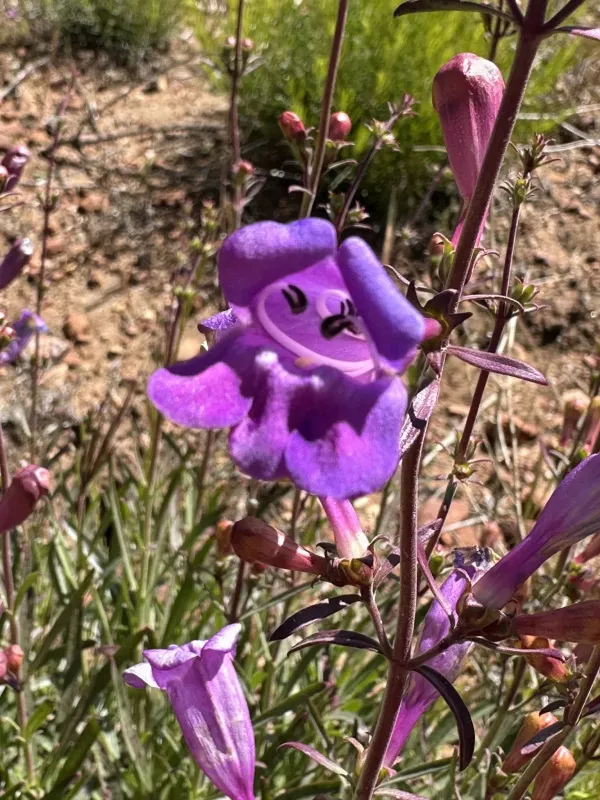
Description
Sowing dates
Sowing Penstemon heterophyllus seeds is best done in late autumn or early spring. For superior results, seeds require a cold stratification period of about four to six weeks in a refrigerator before sowing to break dormancy.
Seeds are tiny, so surface sowing is recommended. Press them gently into the moist substrate without covering them with soil, as they need light to germinate. Maintain a steady temperature between 18 and 20 degrees Celsius to ensure uniform emergence.
Prick out seedlings once they have developed at least two sets of true leaves. Ensure the young plants receive plenty of natural sunlight to develop strong stems and prevent etiolation, which makes them susceptible to damage.
Transplanting into the permanent garden site should occur after the threat of frost has completely passed. Space plants roughly 35–40 centimeters apart to ensure adequate air circulation and to prevent overcrowding of the foliage.
Once established, the foothill penstemon does not respond well to frequent relocation. Choose a permanent location carefully, ensuring it matches the plant's requirements for drainage and light to support its long-term growth and blooming cycle.
Growing requirements
Penstemon heterophyllus, belonging to the Plantaginaceae family, is a native perennial from California. Its natural habitat includes slopes and rocky soils, which defines its specific cultural requirements in garden settings.
The plant thrives in full sun exposure. While it can tolerate partial shade, it performs best when receiving at least six to eight hours of direct sunlight daily to maintain its compact growth habit and vivid color intensity.
Soil must be exceptionally well-drained, ideally sandy, rocky, or gritty. Even short periods of waterlogging in the root zone can cause crown rot, which is the primary cause of mortality for this species in managed landscapes.
This species is highly drought-tolerant once established and prefers low-fertility soils. Excessive use of fertilizers or rich organic matter should be avoided, as it encourages weak, lush growth that often leads to flopping and early plant decline.
Neutral to slightly acidic soil pH is ideal for healthy development. Avoid heavy clay soils that retain excessive moisture, as the foothill penstemon requires deep root penetration and high oxygen levels within the soil profile.
Main diseases and pests
The primary threats to Penstemon heterophyllus are fungal infections related to excessive moisture. Root rot and stem decay occur most frequently when drainage is inadequate or when plants are watered from above, keeping foliage damp.
Aphids and spider mites are the most common insect pests encountered. These pests cluster on new growth and the undersides of leaves, sucking plant sap, which can cause leaf curling, yellowing, and an overall lack of vigor.
Powdery mildew may occur if the planting site lacks sufficient airflow or if humidity remains high for extended periods. Pruning to ensure good ventilation is the best cultural control method for this common fungal issue.
Snails and slugs can damage young shoots during the spring. Implementing simple barriers or bait stations around the base of the plant can effectively mitigate damage during the early stages of the growing season.
Maintaining a clean garden bed by removing old debris and ensuring the soil surface is dry are crucial preventive measures. Only apply fungicides if an active infection is confirmed, focusing on the affected areas and following local application guidelines.