
Slender beardtongue
Penstemon gracilis
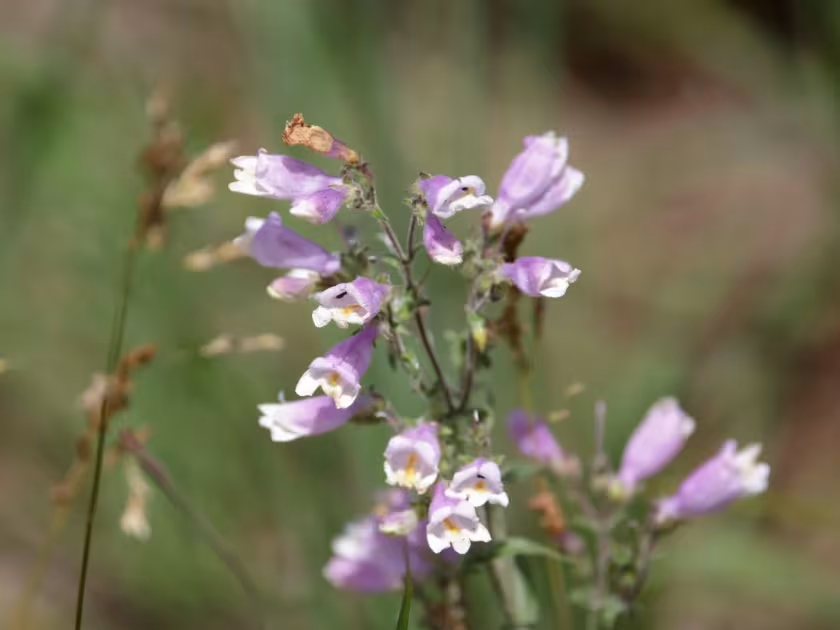
Description
Sowing dates
Sowing of Slender beardtongue (Penstemon gracilis) seeds is best conducted during late autumn or early spring after the seeds have undergone a period of stratification.
The seeds of this species possess deep dormancy; therefore, cold treatment for 4 to 8 weeks is essential to ensure high germination rates.
When sowing in open fields, cover the seeds with a very thin layer of soil and maintain constant moisture to facilitate the germination process.
The optimal temperature for seed emergence is between 15 and 20 degrees Celsius, which supports steady growth of the young seedlings.
Professional nurseries often utilize peat-based substrates with balanced aeration to provide the best environment for the development of the plant's root system.
Growing requirements
Penstemon gracilis, belonging to the Plantaginaceae family, is a prairie native adapted to open, sunny environments where it receives maximum daylight.
The crop requires well-drained, sandy, or light loam soils; stagnant moisture is detrimental and often leads to rapid decay of the plant's roots.
In regions with high annual rainfall, creating a raised bed or adding grit to the soil mixture is critical to prevent winter rot and promote plant health.
This species shows remarkable resilience to weather fluctuations, although it appreciates light mulching during winters with very low snowfall.
Adequate sunlight is fundamental for the plant's structure; excessive shade causes legginess and significantly inhibits the frequency of summer flowering.
Main diseases and pests
Fungal pathogens represent the most significant threat to Slender beardtongue, particularly in humid conditions where airflow is insufficient.
Powdery mildew can infect the foliage during humid periods, necessitating the use of fungicides to protect the health of the entire plant population.
Common insect pests include aphids and spider mites, which feed on the sap of young stems and can weaken the plant if left unchecked.
Maintaining proper spacing between individual plants is a key management strategy to improve ventilation and reduce the prevalence of diseases.
Regular inspection of the plantations during the active growing season is necessary to identify early signs of infestations and implement targeted control.
Harvesting
Harvesting of the seeds should occur when the seed pods have turned brown but have not yet fully dehisced to scatter the seeds on the ground.
The harvested stalks should be dried in a cool, shaded area with good ventilation before the seeds are extracted from the capsules and cleaned.
When grown for ornamental or cut-flower use, the stems should be harvested at the beginning of the blooming stage to preserve their visual quality.
Post-flowering management involves removing spent stems to improve the plant's appearance and direct energy toward root development before dormancy.
The seeds maintain high viability for approximately two years when kept in dry, dark storage conditions within paper envelopes to prevent mold.