
Penstemon gloxinioides
Penstemon gloxinioides
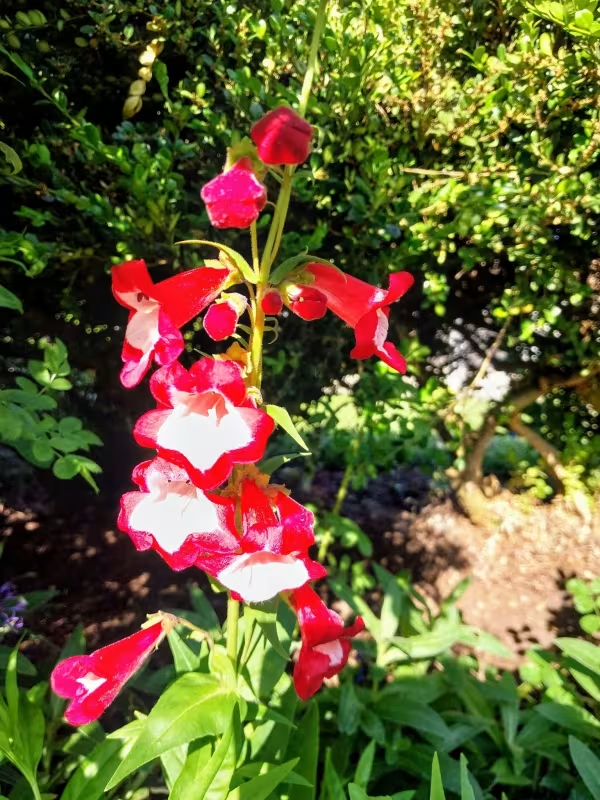
Description
Sowing dates
Sowing Penstemon gloxinioides seeds typically occurs in late winter or early spring. To ensure successful germination, seeds require a period of stratification, which mimics natural winter conditions for about 2–4 weeks.
The seeds should be sown in a well-draining, sterile potting mix. Because they are light-dependent for germination, they must be spread thinly on the surface and pressed gently rather than buried deeply.
Maintain the seed trays at a temperature of around 20°C (68°F). High humidity can be maintained by covering the containers with a clear lid or film, which should be removed daily for ventilation to prevent fungal growth.
Seedlings usually emerge within several weeks. Once the first true leaves appear, transplant the small plants into individual pots to allow the root systems to develop without competition for nutrients.
Acclimatization, also known as hardening off, is essential before planting the seedlings outdoors. Gradually introduce them to outdoor temperatures over a week to prevent transplant shock in the spring.
Growing requirements
Penstemon gloxinioides, a member of the Plantaginaceae family, thrives in sunny locations with well-drained soil. It is an excellent choice for flower beds that receive at least six to eight hours of direct sunlight per day.
Soil quality is paramount; the plant prefers a slightly acidic to neutral medium that is rich in organic matter. Avoid heavy clay soils that retain moisture, as they often lead to root rot during colder, wet periods.
Watering should be moderate, allowing the soil to dry slightly between sessions. Over-watering is the most common mistake in penstemon cultivation, so ensuring the soil has excellent aeration is vital.
Fertilization with a balanced, slow-release liquid fertilizer during the active growing season encourages lush foliage and prolific flower production. Avoid excessive nitrogen, which can lead to weak, elongated stems.
Due to its moderate frost tolerance, this cultivar is often treated as a tender perennial or an annual in colder regions. Providing mulch around the base can help insulate roots if winter temperatures are mild.
Main diseases and pests
Root rot is the primary physiological threat to these plants. It is almost exclusively caused by waterlogged soil conditions or poor drainage in the planting site, necessitating careful site selection.
Powdery mildew may occur if the plants are placed too closely together, preventing adequate air circulation. Increasing the spacing between plants and using copper-based fungicides can mitigate this spread.
Pests such as aphids and spider mites can colonize the soft, new growth of the plant. Regular monitoring of the underside of leaves and using insecticidal soaps or systemic pesticides helps control these populations.
Slugs and snails can cause significant damage to young seedlings. Protecting new growth with organic barriers or bait traps is a standard practice in regions with high nocturnal humidity.
Vigilance against viral pathogens is required; if a plant shows signs of leaf mottling or stunted, deformed growth, it should be removed and destroyed immediately to protect surrounding vegetation.
Harvesting
The primary use of Penstemon gloxinioides is ornamental, making it a staple in professional landscaping and home gardens. Its vibrant, bell-shaped flowers are highly valued for their resemblance to gloxinia.
For floral arrangements, stems should be cut when the bottom florets are fully open. Cut flowers typically last up to two weeks in a clean vase with fresh, cool water changed every two days.
Deadheading, or the removal of spent flower spikes, is a crucial agronomic practice for this crop. It prevents seed production and redirects the plant's energy toward forming new blooms, extending the season.
Seed harvesting should be performed after the capsules turn brown and dry. The seeds should be stored in cool, dark, and dry conditions to maintain viability for the following season's planting cycle.
At the end of the cultivation cycle, the remaining foliage should be cleared away. If grown as an annual, the site should be prepared for the next crop, ensuring soil health through proper composting.